Top Dog Products People Recommend for Puppies
As an Amazon Associate, I earn from qualifying purchases. This article may contain affiliate links, which means we may receive a commission at no extra cost to you.
As an Amazon Associate, I earn from qualifying purchases. This article may contain affiliate links, which means we may receive a commission at no extra cost to you.
Bringing a puppy home is an exciting few weeks of training, socializing, and learning — for both of you. Over the years certain products keep getting recommended by trainers, breeders, and hundreds of puppy owners because they actually solve common early-life problems: digestion and stinky stools, separation anxiety, crate training comfort, grooming sensitivities, and boredom that leads to destructive chewing. This long-form guide collects those frequently suggested items, explains why they often appear on packing lists and puppy registries, and helps you decide which one or two will make the biggest difference for your specific pup.
I haven’t claimed personal hands-on testing in this piece; instead, the descriptions below synthesize product specs, common customer feedback, and practical considerations so you get useful, realistic guidance when picking puppy gear.
Buying Guide
What to look for when choosing puppy products
Puppies are small, sensitive, and fast-growing — so your shopping checklist should emphasize safety, simplicity, and support for development.
Key considerations:
– Ingredients & formulations: For supplements and chews, choose products made in reputable facilities, with transparent ingredient lists and no unnecessary fillers. Puppies especially need gentle formulas that are suitable for young digestive systems.
– Size and texture: Toys and chews must be appropriately sized to prevent choking and matched to your pup’s chewing stage. Plush toys should have reinforced seams; treat puzzles should be manageable but challenging to engage developing problem-solving skills.
– Calming aids vs. behavior training: Calming toys (heartbeat simulators, heat packs) help during crate training and vet visits but don’t replace structured training. Use them as adjuncts while you teach crate routines and alone-time skills.
– Skin and coat products: Choose hypoallergenic, soap-free or gentle surfactant shampoos for puppies with sensitive skin. Avoid shampoos with strong fragrances or harsh chemicals.
– Mental enrichment: Puzzle feeders and treat-dispensing toys prevent boredom, help slow feeding, and support healthy weight. Look for durable, easy-to-clean designs.
– Veterinary compatibility: Before adding supplements, chews, or any ingestion aids, consult your veterinarian — especially for puppies on medication or with existing health concerns.
Comparing to standard alternatives
– Generic treats and toys are cheap but often too abrasive, scented, or poorly sized for puppies. Investing in puppy-specific items reduces risk of upset stomachs, skin irritation, or early toy rejection.
– Human-grade peanut butter or home-made calming tricks can work but lack the targeted formulas and safety testing of products designed specifically for dogs.
Who should use this guide
– New puppy owners seeking a concise, vetted shortlist.
– Owners dealing with common puppy problems: stool issues, coprophagia, anxiety, sensitive skin, or early boredom.
Who may not need these items
– Owners with adult dogs only, or puppies already thriving on existing routines. Also, if your vet advises against certain supplements, follow their guidance first.
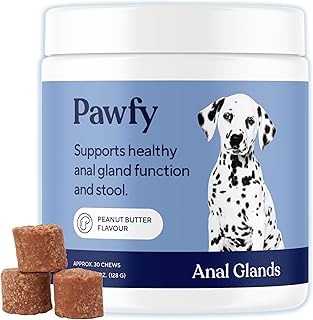
Pawfy Anal Gland Chews for Dogs with Peanut Butter | Dog Probiotics – Helps with Constipation, Digestive Health, and Gas Relief | Promotes Healthy Poops & Comfort – 30 Dog Supplements
Best For:
Puppy owners dealing with occasional constipation, irregular stools, or digestive upset during diet changes or stressful transitions.
Digestive discomfort, inconsistent stools, or straining are surprisingly common in young dogs as their gut flora stabilizes. Pawfy Anal Gland Chews are formulated as a chewable supplement aimed at supporting regular bowel movements, promoting easier elimination, and balancing gut bacteria with probiotic ingredients. While marketed toward anal gland and stool health, these chews are essentially a digestive-support product designed to reduce constipation, soften stools, and in some cases lessen the unpleasantness of anal gland issues by encouraging more solid, regular poops that naturally express glands when appropriate.
What it is and who it’s for: These are flavored peanut-butter chews containing probiotic and fiber components aimed at dogs experiencing occasional constipation, loose stools, or mild digestive imbalance. They’re best for puppy owners who have noticed irregular stool quality, new pet parents transitioning diets, or those whose pups suffer from gassy episodes. They can be a more convenient, tasty option than mixing powders into food and are often easier to give consistently.
Real-life usage examples: Owners commonly start a daily chew for two to four weeks during stressful transitions — new homes, vaccine series, or diet changes — to help stabilize stool. Some people incorporate a chew before a long car ride or a training weekend to minimize digestive upset. Because they’re soft and flavored, puppies usually accept them readily; portion instructions typically scale with body weight.
Practical observations and comparisons: Compared with bulk fiber powders or plain pumpkin, these chews are more convenient and palatable but offer less dosing flexibility. Unlike human laxatives or aggressive stool softeners, these are formulated to be gentle and suitable for repeated use at recommended dosages. They aren’t a substitute for veterinary care if a puppy is straining severely, having bloody stools, or showing signs of systemic illness.
Buying considerations: Check the ingredient list for any allergens (peanut butter flavor may contain peanut derivatives) and match the recommended dose to your puppy’s current weight. If your pup is on prescription medication or has a diagnosed GI condition, ask your vet before starting any probiotic/fiber supplement.
Who should buy it: Puppy owners seeking an easy-to-administer, palatable probiotic/fiber chew to support stool regularity and digestive comfort. Who may skip it: Puppies already on a veterinarian-recommended GI regimen or those with a healthy, reliable stool pattern.
Check the latest price on Amazon.
Pros
- Palatable peanut-butter flavor encourages acceptance
- Combines gentle fiber with probiotics for daily support
- Soft chew format is easy to give to puppies
Cons
- Contains peanut flavoring — check for allergies
- Less dosing flexibility than powders or pure pumpkin
If digestive support and more consistent stools are what you need, consider adding this convenient chew to your puppy’s routine. Check the latest price on Amazon.
Snuggle Puppy Heartbeat Dog Toy for Puppies, Real-Feel Heartbeat, Calming Sleep Aid and Crate Training Comfort Toy with Heat Pack, Cream Plush Design

Best For:
Puppies struggling with crate anxiety, separation stress, or those who benefit from tactile and thermal comfort.
Crate training and separation are two of the earliest stressors puppies face. The Snuggle Puppy Heartbeat Toy is a plush comfort toy that simulates two soothing sensations often associated with a dam and litter: a gentle heartbeat sound and mild warmth from a removable heat pack. The idea is simple but effective — it gives a young dog something familiar to snuggle against, reducing whining and making naps and crate time feel less lonely.
What it is and who it’s for: This is a stuffed comfort toy with a built-in (battery-operated or mechanical) heartbeat simulator and a microwaveable or heat-retaining pack, depending on the version. It’s aimed at puppies going through the first few weeks of separation, crate training puppies who cry at night, and pups that benefit from tactile comfort — especially those adopted from shelters or rescued away from littermates.
Real-life usage examples: New puppy parents often place the Snuggle Puppy in the crate overnight or during short absences to reduce howling and pacing. Foster homes use it for orphans and very young puppies that need thermal and auditory comfort. It’s also a handy tool during travel, helping a pup nap on an hour-long drive or settle into a hotel room with fewer stress signals.
Practical observations and comparisons: Compared with standard plush toys, the heartbeat and heat features make this product uniquely calming. Alternatives like pheromone diffusers or classical music playlists can help, but they don’t provide the same direct tactile and auditory pairing. Some customers report that pairing the toy with consistent bedtime routines maximizes calming benefits — it’s an aid, not a cure.
Buying considerations: Batteries or microwave-safe instructions vary by model; follow safety guidelines carefully and inspect the toy regularly for loose seams or damaged heating elements. For chewers, this product isn’t a durable chew toy — use under supervision. Always supervise until you know how your puppy interacts with plush items.
Who should buy it: Owners of anxious, newly adopted, or crate-training puppies who respond well to touch and warmth. Who may skip it: Puppies uninterested in plush toys or strong chewers who will destroy the toy quickly.
Check the latest price on Amazon.
Pros
- Heartbeat and heat simulate littermate comfort
- Helps reduce nighttime whining and crate anxiety
- Lightweight and easy to add to a crate or bed
Cons
- Not suitable for heavy chewers—monitor use
- Requires batteries or heating/packs that need maintenance
If your puppy needs extra comfort during crate training or nights alone, this calming toy can be a helpful addition. Check the latest price on Amazon.
No Poo Chews for Dogs, 120 Soft Chews, Peanut Butter Flavor Chew No Poo Bites – Dog Coprophagia Treatment, Deterrent to Stop Eating Poop – Treats Bad Breath and Boosts Gut Health – Made in USA

Best For:
Puppies showing signs of coprophagia during house training or owners looking for a systemic deterrent to reduce stool-eating behavior.
Coprophagia — the act of eating feces — is a behavior that embarrasses owners and can carry health risks. The No Poo Chews are a targeted supplement designed to deter this behavior by altering stool taste and improving overall gut health. These soft, peanut-butter flavored chews claim to make stools less appealing while also addressing potential digestive imbalances and bad breath, which some behaviorists link to why dogs sample feces in the first place.
What it is and who it’s for: No Poo Chews are an ingestible behavioral supplement for dogs exhibiting coprophagia or owners worried about their pup exploring poop during house training or yard time. They’re often recommended as one component of a broader strategy that includes training, increased outdoor supervision, and dietary assessment.
Real-life usage examples: Owners report starting a daily chew when their puppy discovers yard poop or roommate cat litter boxes. The chews are given per recommended weight-based dosing and paired with supervised potty breaks and immediate praise for appropriate elimination. Many people use them during the intense house-training window where puppies are curious and the temptation is high.
Practical observations and comparisons: Compared with bitter-tasting sprays applied to stools (which are impractical outdoors), a chewable deterrent works systemically and is more useful for puppies that consume feces out of curiosity or nutrient-seeking. However, chews won’t replace behavior modification: uninterrupted access to stool, lack of supervision, or dietary deficiencies still need addressing. Also, effectiveness can vary by dog; some learn despite the taste change.
Buying considerations: Review the ingredient list for allergens (peanut flavor) and consult your vet to rule out medical causes for coprophagia like malabsorption or enzyme deficiencies. Because coprophagia sometimes stems from boredom, pairing the chews with more enrichment, exercise, and puzzle toys yields better results.
Who should buy it: Puppy owners seeing repeated poop-sampling behavior during house training or those wanting a non-topical, easy-to-administer deterrent. Who may skip it: Puppies whose coprophagia is due to a diagnosed medical issue or those who respond well to immediate supervision and training alone.
Check the latest price on Amazon.
Pros
- Easy daily chewable format
- Targets behavior while promoting gut health
- Comes in a palatable peanut-butter flavor
Cons
- Not a substitute for training and supervision
- May be ineffective for some dogs—results vary
If poop-eating is a recurring problem, combining this systemic deterrent with training and enrichment can help. Check the latest price on Amazon.
Jax n Daisy Dog Shampoo – Gentle and Effective Allergy and Sensitive Skin Shampoo for Dogs – Eliminates Odors, Fleas, and Soothes Itchy Skin – Perfect for Puppies

Best For:
Puppies with sensitive skin, allergy-prone coats, or owners seeking a gentle, hypoallergenic bathing option.
Puppy skin is thinner and more reactive than adult skin, and a harsh shampoo can strip away natural oils and worsen itchiness. Jax n Daisy Dog Shampoo is marketed as a gentle, hypoallergenic formula for dogs with allergies or sensitive skin. It aims to cleanse without over-drying and includes ingredients intended to soothe irritation, control odor, and assist with mild flea-related smells.
What it is and who it’s for: This is a mild dog shampoo designed for puppies and adult dogs prone to irritation, redness, or recurring odors. It’s formulated without strong fragrances and often highlights natural or gentle surfactants to reduce the risk of skin reactions. Many owners choose it for puppies with flaky, dry skin or those who react poorly to regular, human shampoos.
Real-life usage examples: New owners use it for the first puppy bath at home to minimize the chance of rash or excessive dryness, especially for breeds with delicate skin, like short-coated or white-coated breeds prone to irritation. It’s also a common recommendation for dogs recently returned from the groomer or after a day of rolling in unpleasant outdoor smells.
Practical observations and comparisons: Compared with generic store-brand shampoos, this product emphasizes skin-friendly ingredients and a balanced pH more suitable for canine skin. It’s gentler than many flea shampoos containing strong insecticidal agents and better for regular use. However, for a confirmed flea infestation, follow your vet’s flea-control program rather than relying on a gentle shampoo alone.
Buying considerations: Look for clear labeling about hypoallergenic status and pH balance, and test on a small patch of skin if your puppy is particularly reactive. Avoid products with unnecessary dyes or perfumes. If your puppy has a diagnosed skin condition (hot spots, mange, ringworm), seek veterinary treatment and use medicated products as directed.
Who should buy it: Puppy owners who prefer a gentle, low-irritant shampoo for routine baths and those with pups prone to dry, sensitive skin. Who may skip it: Puppies with no skin sensitivity and owners happy with standard maintenance shampoos recommended by their groomers.
Check the latest price on Amazon.
Pros
- Gentle formula designed for sensitive skin
- Helps control odor without harsh fragrances
- Suitable for routine puppy bathing
Cons
- Not a replacement for medicated flea or anti-parasitic treatments
- Some pups may still prefer different textures or scents
For regular, gentle bathing that respects a puppy’s delicate skin, this shampoo is a thoughtful choice. Check the latest price on Amazon.
DR CATCH Dog Puzzle,Dogs Food Toys for IQ Training & Mental Enrichment,Dog Treat Puzzle(Blue)

Best For:
Puppies that need mental stimulation, slow-feeding solutions, or a constructive outlet for energy while alone.
Mental stimulation is as important as physical exercise for puppies. The DR CATCH Dog Puzzle is a treat-dispensing toy designed to slow feeding, challenge problem-solving skills, and keep curious pups engaged. It encourages foraging behavior by hiding food in compartments or under movable pieces that dogs must learn to manipulate.
What it is and who it’s for: This is an interactive puzzle toy made of durable plastic with compartments and sliding parts where you hide kibble or soft treats. It’s useful for puppies that eat too quickly, get bored indoors, or need supervised enrichment while you’re occupied. Trainers often recommend puzzles like this to reduce destructive chewing born from under-stimulation.
Real-life usage examples: Use it during mealtime as a slow-feeding station to prevent gulping and reduce bloat risk in at-risk breeds. Put it in a play area when you’re prepping dinner to keep your pup busy for 10-20 minutes, or include it as part of a training session to reward problem-solving. Many owners start with easy setups and gradually increase difficulty to build confidence and learning.
Practical observations and comparisons: Compared to simple treat balls, this puzzle offers more structured challenge and can be adjusted for complexity. Cheaper toys may break or become a choking risk; look for sturdy construction and pieces that don’t detach. Unlike treat puzzles meant only for adults, this model is often sized for small mouths, but always match difficulty to your puppy’s stage so they don’t get frustrated.
Buying considerations: Check that all removable parts are safe for your puppy’s size and monitor initial play sessions. Cleanability matters — puzzles that can be rinsed quickly are more practical for daily use. If your puppy is a heavy chewer, consider more robust puzzle designs or reserve this toy for supervised sessions.
Who should buy it: Owners of energetic or quickly bored puppies who need mental workouts and feeding management. Who may skip it: Owners whose puppies are uninterested in puzzle play or those with very heavy chewing tendencies.
Check the latest price on Amazon.
Pros
- Encourages problem-solving and slows feeding
- Adjustable difficulty to match learning progress
- Helps reduce boredom-related behaviors
Cons
- Not ideal for aggressive chewers without supervision
- Some parts may require careful cleaning
For mental enrichment and slower meals, this puzzle is a versatile tool to add into your puppy’s routine. Check the latest price on Amazon.
Final Verdict
Puppyhood throws a handful of predictable challenges at new owners: unsettled digestion, separation anxiety, poop-sampling curiosity, sensitive skin, and boundless energy. The five products highlighted here represent targeted, commonly recommended approaches to those issues. Supplements like the Pawfy Anal Gland Chews and No Poo Chews address digestive and behavioral tendencies with convenient, puppy-friendly formats; the Snuggle Puppy offers a tactile calming aid that pairs well with consistent crate training; Jax n Daisy shampoo gives you a gentle bathing solution for sensitive coats; and the DR CATCH puzzle brings meaningful mental enrichment to counter boredom.
No single product is a magic fix. The best outcomes come from pairing the right tool with training, veterinary guidance, routine, and supervision. Before adding supplements, run them by your vet; before leaving a puppy with any plush or puzzle, supervise the first few uses. For most owners, choosing one calming aid, one enrichment toy, and a skin-friendly shampoo covers a lot of ground and reduces common puppy stresses considerably.
If you’re narrowing choices, prioritize according to the most pressing problem: digestion issues first (supplements), anxiety/crate distress next (calming toy), then enrichment and grooming. And remember — consistent training and early socialization are the long-term solutions; these products help you bridge that training window more comfortably.
Check the latest price on Amazon.
Conclusion
These Dog products people keep recommending for puppies picks are trending now and offer great value and variety. Check the links above for latest prices and reviews.
As an Amazon Associate, I earn from qualifying purchases.
Tags:
puppy products, puppy supplements, crate training, calming dog toy, puppy shampoo, dog puzzle toy, coprophagia deterrent
