Sustainable Tidying: Eco-Friendly Home Essentials
As an Amazon Associate, I earn from qualifying purchases. This article may contain affiliate links, which means we may receive a commission at no extra cost to you.
If you’re trying to keep a tidy home without creating waste, it helps to follow what sustainability-minded creators actually use in their daily routines. These are not gimmicks but practical items and reference books that reduce single-use clutter while making cleaning easier. As an Amazon Associate, I earn from qualifying purchases. This article may contain affiliate links, which means we may receive a commission at no extra cost to you.
In the following guide I highlight reusable cleaning cloths and a selection of books that walk you through nontoxic cleaning, room-by-room detoxing, and practical projects to make living spaces healthier. The picks below were chosen for their materials, ease of use, and the real-life benefits reported by people who have adopted tidy, low-waste habits. Whether you’re switching from paper towels, building a DIY cleaning routine, or gifting someone a practical starter kit, you’ll find options here that balance function with environmental thinking.
Buying Guide
How to choose sustainable cleaning items for tidy living
Start with purpose: identify what you most frequently replace—paper towels, sponges, or store-bought cleaners—and target that first. Reusable cloths and Swedish-style dishcloths are designed to absorb and lift messes while being machine washable and compostable; they typically replace dozens of rolls of paper towels over their lifespan.
Look at materials: natural fibers (cellulose, cotton, wood pulp blends) and compostable certifications are ideal if you want minimal environmental impact. For long-term reuse, consider cloths that tolerate machine washing and quick air-drying to prevent odors. For synthetic reusable options, check for durability and easy rinsing.
Choose reference sources wisely: books that focus on non-toxic recipes and room-by-room detox provide both instructions and the science behind ingredient choices. If you prefer step-by-step recipes using essential oils or simple pantry items (vinegar, baking soda, soap), a practical cleaning manual will get you started without overwhelming jargon.
Compare alternatives: standard disposable paper towels and chemical cleaners are convenient, but they create recurring cost and waste. Reusable cloths require a small up-front investment and a little care (washing, occasional disinfecting) but cut waste and often perform as well or better on typical household spills.
Buying considerations: check pack sizes (how many cloths you’ll need to rotate), washability instructions, and intended uses (multi-surface vs delicate finishes). For books, look for updated editions that address modern concerns like essential oil safety and child/pet-friendly alternatives.
Who this guide is for: eco-conscious renters and homeowners, busy creators who want fast tidy routines with less waste, parents and pet owners looking for nontoxic cleaning options, and gift shoppers seeking practical, sustainable presents.
Real-world tip: pair cloths with a small drying rack and a labeled container for “used” cloths to keep laundry cycles efficient. Combine a practical how-to book with a starter set of cloths to make the transition smoother.
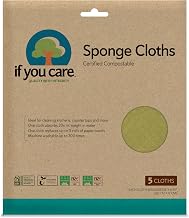
If You Care Sponge Cloths – 5 Count – 100% Natural Cleaning Rags for Kitchen, Bathroom, Home Countertop Surfaces – Absorbent, Reusable, Machine Washable, Compostable
Best For:
Eco-conscious households replacing paper towels, creators who stage kitchens, renters wanting low-maintenance, compostable cleaning options.
The If You Care Sponge Cloth is a modern take on the classic Swedish dishcloth: a high-absorbency, compostable cleaning rag made from 100% natural materials. Designed to replace single-use paper towels and flimsy sponges, each cloth combines cellulose and cotton fibers to soak up spills and wipe surfaces without streaking. Buyers consistently note the cloth’s surprising durability—when used for routine kitchen messes and countertop wipes it holds its shape through dozens of washes.
Why creators and tidy-living advocates like it: the cloth balances performance with low waste. It’s absorbent enough to handle wet spills yet thin enough to wring out and dry quickly, reducing mildew concerns. It’s also machine washable and compostable at the end of its useful life, which is helpful for people tracking the lifecycle of household items.
Practical benefits and real-world use cases: keep two or three in rotation at the kitchen sink—one for dishes, one for countertops, one for general wiping. They work well on stainless steel, laminate, tile, and glass, so they’re versatile across bathrooms and kitchens. Creators who stage food photos or run small kitchens appreciate how these cloths remove grease and crumbs without leaving lint. For light scrubbing jobs, the cloth’s texture lifts grime; stronger soiling can be pre-treated with a small amount of soap.
Problems it solves: eliminates the recurring expense and landfill contribution of paper towels; replaces smelly, bacteria-prone cell sponges with a washable option; reduces plastic micro-waste by avoiding synthetic disposables. Compared with standard kitchen sponges, the If You Care cloths dry faster and resist odors longer.
Who should buy it: anyone looking to cut paper towel use, renters who want no-fuss cleaning supplies, eco-minded gift shoppers, and busy creatives who need reliable, photo-friendly cloths. Who may not need it: households that prefer heavy-duty abrasive scrubbing pads for baked-on grime or those who require industrial-strength disinfectants for specialized cleaning.
Buying considerations and observations: pack size matters—five cloths covers basic rotation for a small household. Expect to replace them annually depending on use; they’re inexpensive relative to disposable alternatives. Machine washing keeps them fresh; avoid bleach if you want them compostable. Check care labels for drying recommendations.
Check the latest price on Amazon.
Pros
- 100% natural, compostable materials
- Highly absorbent and machine washable
- Replaces paper towels and reduces waste
Cons
- Not ideal for heavy-duty abrasive scrubbing
- May need annual replacement with heavy use
Check the latest price on Amazon.
A Healthier Home: The Room by Room Guide to Make Any Space A Little Less Toxic

Best For:
Homeowners and renters wanting a practical, room-by-room plan for reducing toxins and making safer product choices.
A Healthier Home is a practical, room-by-room manual for reducing toxins and making space choices that prioritize health. Rather than presenting a single rigid system, the book walks readers through specific swaps and stepwise changes you can make in kitchens, bathrooms, bedrooms, play areas, and living rooms. It’s particularly suited for people who want to understand why certain products can be problematic and which alternatives are backed by research or practical experience.
Why it appears on creator lists: many content creators and sustainability-minded homemakers recommend this title for its approachable layout and actionable checklists. It reads less like a dense science text and more like a thoughtful guide that helps prioritize changes based on budget and lifestyle. Readers report that it’s useful for decluttering with intention—helping decide what to keep, what to replace, and what to avoid buying in the future.
Real-life usage examples: if you’re tackling a bathroom refresh, the book explains how to evaluate personal-care products for endocrine-disrupting chemicals, suggests safer fragrance-free options, and outlines a simple route to replace harsh cleaners with gentler alternatives. For families, it provides guidance on creating low-tox play areas and choosing safer storage solutions. People moving into new homes often print chapters as checklists for room-by-room inspections.
Problems it solves: uncertainty and overwhelm. It cuts through marketing claims and highlights which swaps produce meaningful benefits—reducing indoor VOCs, avoiding endocrine disruptors, and choosing safer materials. Unlike generic cleaning pamphlets, it contextualizes changes by room so effort aligns with impact.
Who should buy it: parents, renters, buyers, and creators who want a structured plan for detoxifying their living space without reinventing the wheel. It’s also a good gift for someone starting a sustainability journey. Who may not need it: readers already well-versed in chemical safety or professionals seeking in-depth toxicology.
Buying considerations and observations: this guide pairs well with a starter kit of reusable cloths and non-toxic cleaner recipes. Use it as a reference over months rather than expecting overnight transformation.
Check the latest price on Amazon.
Pros
- Actionable room-by-room checklists
- Accessible language for non-experts
- Helps prioritize changes by impact and budget
Cons
- Not a deep scientific textbook
- May repeat general tips familiar to experienced readers
Check the latest price on Amazon.
The Naturally Clean Home, 3rd Edition: 150 Nontoxic Recipes for Cleaning and Disinfecting with Essential Oils

Best For:
DIY cleaners, scent-sensitive households, those wanting to reduce plastic and chemical use with safe, tested recipes.
The Naturally Clean Home (3rd Edition) compiles simple, ingredient-focused recipes for cleaning and disinfecting using pantry staples and essential oils. It’s written for people who prefer to make their own solutions rather than buy proprietary cleaners full of chemicals. The updated edition includes fresh recipes, safety notes for essential oil use, and clear dilution guidelines so readers can scale solutions for kitchen counters, floors, and bathrooms.
Why creators and tidy-living advocates recommend it: the book balances practicality with safety. Many readers appreciate that recipes are straightforward—often just vinegar, baking soda, castile soap, and a few drops of essential oil—yet effective. Creators who share sustainable cleaning routines on social platforms have used these recipes in tutorials because they’re easy to demonstrate and replicate.
Real-world usage scenarios: make an all-purpose spray for daily countertop maintenance, a gentle floor wash that’s safe for wood when diluted correctly, and a tub soak for soap scum that uses minimal elbow grease. The book also offers a disinfecting approach for high-touch surfaces using safer, vetted ingredients—helpful for households with children or pets.
Problems it solves: reduces the number of chemical-laden bottles under your sink, lowers cost by using multipurpose ingredients, and empowers users to control scent and strength. Compared with store-bought cleaners, homemade recipes cut plastic packaging and can be adjusted for sensitivity or fragrance preferences.
Who should buy it: people wanting to switch to DIY cleaners, those sensitive to strong chemical scents, and anyone curious about essential oil-based cleaning solutions. Who may not need it: users who prefer commercial disinfectants for institutional-level sanitation or those allergic to common natural ingredients.
Buying considerations and observations: pay attention to safety sections—some essential oils aren’t recommended around pets or infants. Keep solution labels and test finishes (like stone or sealed wood) before widespread use.
Check the latest price on Amazon.
Pros
- 150 practical, easy-to-follow recipes
- Focus on safe dilution and essential oil guidance
- Reduces reliance on bottled cleaners
Cons
- Essential oil safety requires attention
- Not intended for professional-level disinfection
Check the latest price on Amazon.
Sustainable Home: Practical Projects, Tips and Advice for Maintaining a More Eco-Friendly Household (Sustainable Living Series)

Best For:
DIY-minded homeowners and creators planning sustainable projects and systems to support tidy, low-waste routines.
Sustainable Home is a hands-on collection of projects and tips to make everyday living more eco-friendly. Where many guides focus on theory, this title emphasizes practical, achievable changes—energy-saving tweaks, water-conscious habits, and small DIY projects that reduce waste. The layout is project-oriented and visual, which appeals to creators and homeowners who enjoy tangible outcomes and before/after approaches.
Why it’s included for tidy-living creators: creators who promote low-waste lifestyles often pair small cleaning swaps with home projects like creating a compost station or setting up a refillable cleaning station. This book provides the context and steps for those projects, helping readers integrate cleaning routines into broader household systems that support sustainability.
Real-life use cases: build a drawer of refillable cleaners with labeled glass bottles and basic recipes from the book; install a compact compost bin under the sink; design a laundry routine that conserves water and uses reusable cloths effectively. The book also helps people plan seasonal projects, like switching to plastic-free storage for holiday decorations or designing a low-waste gift-wrapping station.
Problems it solves: the paralysis of where to start. It breaks larger sustainability goals into accessible tasks and pairs those tasks with routines—so your tidy-living efforts aren’t just about cleaning but about reshaping how your home operates. Compared to generic ‘eco tips’ lists, the project focus helps ensure changes stick.
Who should buy it: homeowners and makers who like DIY solutions, people planning gradual home retrofits, and those who prefer visual step-by-step projects. Who may not need it: readers only seeking quick cleaning products or those uninterested in hands-on projects.
Buying considerations and observations: combine this book with a few reusable cleaning essentials (cloths, refillable cleaner bottles) to turn projects into daily habits. Projects vary in scale—some small, some needing basic tools—so review the table of contents to match it to your energy and skill level.
Check the latest price on Amazon.
Pros
- Project-focused, actionable steps
- Covers both small and seasonal projects
- Visual layout aids execution
Cons
- Some projects require tools or moderate DIY skill
- Less focused on specific cleaning recipes
Check the latest price on Amazon.
BLUELAND Cloud Cloth, 3-Pack, Reuseable Paper Towel Replacement, Natural Swedish Dish Kitchen Sponge

Best For:
Content creators, small households, and anyone replacing paper towels with a reusable, quick-drying cloth.
The BLUELAND Cloud Cloth is marketed as a reusable replacement for paper towels—a soft, quick-drying Swedish-style dishcloth made to handle spills, surfaces, and light dishwashing. This three-pack appeals to minimalists and creators who need an attractive, reliable cloth for staged photos, quick cleanups, and daily kitchen use. The cloth’s texture traps crumbs and lifts liquids while drying quickly to reduce smell.
Why creators like it: the cloth’s clean, neutral aesthetic and consistent performance make it a versatile prop and a working tool. Creators who film cooking or lifestyle content often keep a neutral cloth handy because it wipes away water and crumbs without leaving lint or distracting patterns. It’s also marketed as compostable depending on the materials—always check the product details and care instructions for end-of-life options.
Real-life usage examples: use one Cloud Cloth for drying glassware, another for wiping counters after meal prep, and a third for light dish scrubbing. They’re ideal for wiping up smoothie spills, oil drops from pans, and quick bathroom splashes. In an office or studio, they serve well for keeping surfaces tidy between shoots.
Problems it solves: replaces disposable paper towels and reduces the need for plastic-wrapped sponges. Compared with traditional sponges, Cloud Cloths dry faster and are less likely to harbor odor, which is a common complaint among regular sponge users. For those switching from paper goods, the learning curve is small: rinse, wring, and hang to dry.
Who should buy it: creators, small households, and anyone tired of single-use paper products who wants an easy transition to reusable cloths. Who may not need it: households that require heavy abrasion tools or industrial-grade cleaning materials for extremely stubborn grime.
Buying considerations and observations: a three-pack is useful for basic rotation; larger households may want multiple packs. Hand or machine wash according to instructions and allow full drying to extend life. If compostability is a priority, verify material certification and local compost rules.
Check the latest price on Amazon.
Pros
- Quick-drying and low-odor design
- Neutral look suitable for creators
- Reusable paper towel replacement
Cons
- Not for heavy-duty abrasive tasks
- Compostability varies by local rules and material specifics
Check the latest price on Amazon.
Final Verdict
If you’re aiming to make tidy living part of a low-waste lifestyle, small swaps—reusable cloths plus a couple of well-chosen reference books—offer high impact for relatively little effort. Cloths like the If You Care Sponge Cloth and BLUELAND Cloud Cloth replace dozens of paper towel rolls and reduce sink-odors compared with conventional sponges. Pairing those tools with practical reading—A Healthier Home for room-by-room prioritization, The Naturally Clean Home for recipes, and Sustainable Home for projects—creates a manageable plan: swap, learn, and systemize.
These items aren’t for every situation—if you need heavy-duty industrial cleaning or specialized disinfection protocols, commercial products remain necessary. But for everyday spills, regular surface cleaning, and a more intentional approach to what you store under the sink, this combination is hard to beat. Start with a small pack of cloths and one practical book that matches your current priority (detoxing a space, switching to DIY cleaners, or building sustainable systems). Over time, you’ll find a rhythm that keeps your home tidy and reduces waste without sacrificing convenience.
Check the latest price on Amazon.
Conclusion
These Sustainable home items creators use during tidy living routines picks are trending now and offer great value and variety. Check the links above for latest prices and reviews.
As an Amazon Associate, I earn from qualifying purchases.
Tags:
sustainable cleaning, reusable cloths, eco-friendly home, tidy living tips, non-toxic cleaners, swedish dishcloth, zero waste cleaning
