Lifestyle Tools Creators Use for Self-Improvement
As an Amazon Associate, I earn from qualifying purchases. This article may contain affiliate links, which means we may receive a commission at no extra cost to you.
As creators we often chase clarity, momentum, and a practical system we can stick with. Small, intentional lifestyle items—guided journals, weekly tracker pads, and structured planners—can make those early habit changes feel tangible. This guide looks at five popular tools creators choose when they’re committed to getting better: improving focus, managing creative projects, and building self-care into a busy schedule.
As an Amazon Associate, I earn from qualifying purchases. This article may contain affiliate links, which means we may receive a commission at no extra cost to you.
I researched product descriptions, customer feedback trends, and common features so you can compare options and choose the right tool for your rhythm. Below you’ll find deep-dive descriptions, realistic use cases, pros and cons, and clear suggestions for who should buy each item. Whether you want short daily prompts, a weekly self-care checklist, or a heavyweight planner to map a creative year, these five picks represent practical, everyday ways creators make progress without needing a complete life overhaul.
Buying Guide
Choosing a journal, tracker, or planner for a self-improvement journey comes down to three big considerations: format, frequency, and compatibility with your routine. Format: Do you prefer guided prompts (which reduce decision fatigue) or blank pages (which allow free-form thinking)? Guided journals are excellent if you want a ready-made path; blank notebooks are better for stream-of-consciousness creativity or sketching. Frequency: Decide whether you’ll use the product daily, weekly, or intermittently. Undated pages grant flexibility—useful for irregular schedules—whereas dated planners push you to keep up a cadence. Compatibility: Size, paper quality, and portability matter. Creators who work across coffee shops and studios benefit from a compact 6×9 size; those mapping long-term goals may prefer a larger planner with dedicated goal-tracking sections.
Compare physical tools with digital alternatives. Apps offer syncing, reminders, and analytics, but physical notebooks improve retention and reduce screen fatigue—many creators report better sustained use with a pleasant paper product. Other buying considerations: whether the journal includes prompts for emotions and self-care, if a planner has week-at-a-glance layouts, whether a tracker pad fits into your desk workflow, and if accessories (pen holder, instruction booklet) are included. Lastly, think about longevity: lightweight pads are great for short sprints; a 200+ page planner suits a year-long program. Weigh portability versus permanence and pick the combination that fits how you actually work, not how you wish you’d work.
Do It For Yourself: A Motivational Journal (Start Before You’re Ready Guided Journal)

Best For:
Beginners to habit-building, creators who need prompt-driven momentum and short daily check-ins.
Do It For Yourself is pitched as a motivational guided journal for people who want permission to start before everything’s perfect. If you’ve ever felt stalled waiting for the ‘right moment,’ a guided approach like this reduces overwhelm by offering short prompts and small, achievable exercises that nudge you toward consistent action. Rather than asking you to write pages each day, the structure encourages short focus sessions—quick reflections, intention-setting, and small wins logging—that are approachable even on busy days.
Creators and emerging entrepreneurs appreciate journals like this because they convert vague ambition into repeatable micro-steps. The tone is encouraging and pragmatic, which works well for people who respond better to guided accountability than blank-page pressure. Use cases include a morning five-minute ‘set your aim for the day’ routine, a pre-creation checklist before beginning a video or design sprint, and end-of-week reflections to capture lessons learned. The guided prompts often touch on mindset shifts, blocks to productivity, and actions you can take right now—so it helps with momentum more than long-form therapy-style work.
Compared with plain notebooks or minimalist bullet journals, this motivational journal lowers the barrier to entry. It doesn’t require you to invent a system; you follow a scaffold that encourages habit formation. That said, if you prefer free-form writing, sketching, or building your own templates, a guided journal can feel restrictive. Also, guided books vary in depth—some users want more space for elaboration than shorter prompts provide.
Who should buy this: creators or hobbyists who need simple, inspiring structure to start projects and break through inertia. Who may not need it: writers or artists who want blank pages for long-form work, or people who prefer digital tools with reminders and syncing. Frequent buyers note the motivational voice and concise exercises make it easy to keep a practice going.
Check the latest price on Amazon.
Pros
- Guided prompts reduce decision fatigue and make starting easier
- Designed for short, achievable daily actions—good for busy creators
- Motivational tone supports momentum-focused routines
Cons
- Less space for long-form journaling or sketching
- May feel restrictive to those who prefer free-form notebooks
Check the latest price on Amazon.
Knock Knock Self-Care Weekly Tracker Pad, Step-by-Step Self-Care Checklist Note Pad (Pastel Version), 6 x 9-inches

Best For:
Busy creators who need visible, easy-to-follow weekly self-care prompts and a lightweight desk companion.
The Knock Knock Self-Care Weekly Tracker Pad is a compact, checklist-style notepad designed to make self-care actionable. Its 6 x 9-inch size fits easily on a desk, in a tote, or beside your planner; it’s ideal for creators who want a visible, repeatable self-care routine rather than an abstract goal. The pad’s step-by-step layout helps you build a weekly pattern—hydration, movement, creative time, rest, and small joys—so self-care doesn’t slip when deadlines arrive. The pastel design is intentionally non-intrusive, helping the pad blend into a creative workspace while remaining inviting.
Practically speaking, this pad is best used as a quick-reference checklist: tear-off weekly sheets that give you permission to prioritize small acts of care without turning those acts into another project. Use it during busy content weeks as a visual reminder to step away from the screen, schedule short walks, hydrate, or do a five-minute creative warm-up. For teams and collaborative creators, printing or placing a pad in a shared workspace can normalize short breaks and reduce burnout.
Compared with a bound journal or a full planner, the tracker pad is lighter and more tactical. It’s not designed for deep reflection or long-term goal mapping—rather, it’s a bridge between intention and action. That makes it perfect as a complementary tool: pair the pad with a guided journal or a weekly planner for both self-care and productivity coverage. Potential downsides include limited pages and less archival value; if you want year-long records, a journal or planner will serve better. Some users report that the pad’s simple prompts are exactly what they need to be consistent; others want more customization.
Who should buy this: creators who need quick, visible reminders to practice self-care during busy weeks. Who may not need it: people wanting long-term habit analytics or dedicated reflective space.
Check the latest price on Amazon.
Pros
- Compact, approachable checklist format encourages consistency
- Pastel design is inviting and fits creative workspaces
- Easy to pair with a planner or journal for a balanced system
Cons
- Limited pages and archival capability compared with bound journals
- Not designed for deep reflection or long-term tracking
Check the latest price on Amazon.
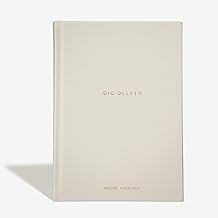
INSIDE THEN OUT Dig Deeper Journal – Guided Daily Journal With 180 Undated Prompts for Intention, Healing, Growth, Gratitude, Self Love & Discovery , Wellness, and Mindfulness – Self Care Routine Gift for Women and Men
Best For:
Makers seeking structured reflection, emotional processing, and an undated prompt system to support mindful growth.
Inside Then Out’s Dig Deeper Journal brings 180 undated prompts that encourage reflection across intention-setting, gratitude, self-love, and healing. The undated structure is a major plus: it allows creators who go through intense cycles of work and rest to pick the book up whenever they’re ready without feeling like they’ve wasted pages. The prompts are intentionally varied—some encourage gratitude lists, others invite deeper excavation of beliefs and creative blocks—making it a flexible companion for months of consistent practice.
This journal is particularly well-suited for creators who want to combine practical productivity with internal work. For example, a content creator might use the journal on Sunday evenings to align the week’s goals with personal values, or a designer could use short prompts after critique sessions to process feedback without defensiveness. Because the prompts are designed to surface patterns over time, you can return to entries months later and notice recurring themes—an important feature for personal growth.
Compared with free-form notebooks or minimalist habit trackers, this guided prompt book places more emphasis on internal alignment than on logistical planning. It isn’t a project manager; it’s a reflective tool that complements a planner. People who enjoy journaling for therapy-like processing or those who appreciate structured prompts will find the journal valuable. If you prefer a daily planner with time-blocking and habit graphs, this may not replace that need.
Who should buy this: creators and makers who want structure for reflection, gratitude routines, and emotional processing without committing to dated entries. Who may not need it: those searching for heavy project management features or daily time-blocking systems.
Check the latest price on Amazon.
Pros
- 180 undated prompts offer flexibility and long-term usefulness
- Good balance of gratitude, intention, and deeper reflection prompts
- Works well alongside a planner for both inner work and logistics
Cons
- Not a replacement for a time-blocking planner or detailed project tracker
- Some users may want more space per prompt for extended writing
Check the latest price on Amazon.
Beechmore Books Motivational Weekly Planner Notebook – Organizer Journal with Transformational Road Map for Self-Reflection & Tracking Goals – Gift Box, Pen Holder, Instruction Booklet – 248 Pages

Best For:
Project-focused creators who need a durable weekly planner with structured goal-tracking and a built-in roadmap.
The Beechmore Books Motivational Weekly Planner is built like a more traditional organizer but with extras aimed at sustained personal change. With 248 pages, it’s designed to last through intensive planning cycles—think multi-month projects, content calendars, and habit tracking across seasons. The planner’s inclusion of a transformational roadmap and instruction booklet implies a guided method for mapping goals and breaking them into weekly action steps, which can help creators transition from scattered ideas to concrete releases.
Physical usability is a key selling point here. The planner’s pen holder and gift box presentation make it a solid desk centerpiece and a tidy gift option for collaborators. For creators working with recurring launches or long-tail creative projects, a planner with dedicated weekly spreads and goal-tracking sections helps maintain momentum while keeping priorities visible. Pairing it with a reflective journal allows this planner to cover the “do” side of progress while another book handles emotional or creative processing.
Compared with slim weekly pads or small guided journals, this planner is heavier and more permanent. That’s an advantage if you prefer an archival record of your plans and progress; it’s less convenient if you need a lightweight notebook to toss in a bag. The included roadmap and booklet are useful for people who want direction instead of inventing their own system, though experienced planners who already have a custom workflow might find some sections redundant.
Who should buy this: creators with multi-month projects, those who want a durable planner with goal-tracking features, and people who appreciate physical accessories like a pen holder. Who may not need it: users who prefer minimalist pads or only need short-term trackers for sprints.
Check the latest price on Amazon.
Pros
- Large page count supports long-term planning and archival use
- Includes pen holder and instruction booklet for guided setup
- Transformational roadmap helps convert goals into weekly actions
Cons
- Heavier and bulkier than a simple weekly pad
- Some sections may feel redundant for users with a custom system
Check the latest price on Amazon.
Self-Mastery Journal for Men – Gratitude and Productivity Journal for More Happiness, Positivity, Growth, Mindfulness, Self Care and Reflection – Guided Inspirational Journals for Men & Women (Black)

Best For:
Action-oriented creators seeking a practical daily routine that mixes gratitude with focused planning.
The Self-Mastery Journal for Men positions itself as a guided gratitude and productivity tool with an emphasis on practicality and resilience. While marketed toward men, the journal’s prompts around productivity, positivity, and reflection are broadly useful. Its black cover and streamlined layout appeal to creators who prefer an understated, no-nonsense aesthetic on their desk. The guided structure blends gratitude practice with short productivity prompts, which helps users anchor a morning routine that includes both emotional calibration and tactical planning.
Use this journal for a compact, repeatable morning or evening routine: a quick gratitude list, a reflection on what worked, and a short to-do list aligned with your values. Creators juggling client work, content cycles, and personal projects can use the journal to protect daily non-negotiables (exercise, practice time, uninterrupted creative blocks) by logging them consistently. For those who respond to language tailored to action and accountability, this format nudges towards execution as well as reflection.
Compared with softer, more therapeutic prompt books, this journal leans into productivity while still leaving space for self-care and gratitude. If you prefer a gentler tone or more exploratory prompts, a different guided journal may suit you better. Conversely, if you want a utility-focused tool that blends emotional check-ins with daily planning, this one is a solid fit.
Who should buy this: creators who want a practical, action-oriented guided journal with space for gratitude and daily tasks. Who may not need it: those who want deeper therapeutic prompts or highly decorative designs.
Check the latest price on Amazon.
Pros
- Streamlined, practical layout that supports daily execution
- Blends gratitude and productivity prompts for balanced routines
- Understated design fits professional creative workspaces
Cons
- Tone and design may feel masculine or utilitarian to some
- Less emphasis on deep therapeutic exploration
Check the latest price on Amazon.
Final Verdict
If you’re a creator building a self-improvement habit, the right product depends on whether you need prompts, tactical reminders, or a long-term planner. Pick a guided journal like Do It For Yourself or the Dig Deeper Journal if you want mental alignment and consistent reflection. Add a weekly tracker pad for visible self-care nudges during high-output weeks. Choose a robust planner like the Beechmore weekly organizer when you’re managing long-term projects and need archival structure. The Self-Mastery Journal offers a practical bridge between gratitude and productivity for people who want an efficient daily routine. Combining one reflective tool with one planning/tracking tool often gives creators the best balance: inner work plus outward execution. Use the buying guide above to match format and frequency to your work style, and remember that what sticks is what’s simple enough to keep doing.
Check the latest price on Amazon.
Conclusion
These Lifestyle items creators use during self improvement journeys picks are trending now and offer great value and variety. Check the links above for latest prices and reviews.
As an Amazon Associate, I earn from qualifying purchases.
Tags:
self improvement journal, guided journals, self care tracker, weekly planner, journaling for creators, habit tracker, mindfulness journal
