Genius Gadgets & Creative Fixes for Everyday Problems
As an Amazon Associate, I earn from qualifying purchases. This article may contain affiliate links, which means we may receive a commission at no extra cost to you.
Every home has those tiny recurring headaches: a dishwasher with uncertain loads, a drawer full of mismatched solutions, or a moment when a clever idea would save time and frustration. This guide brings together a mix of compact physical gadgets and idea-packed books that help you think and act smarter. Whether you’re looking for a small magnet that ends the "clean versus dirty" dishwasher debate or a book full of life hacks to streamline your routine, these picks aim to make ordinary tasks easier.
Affiliate disclosure: As an Amazon Associate, I earn from qualifying purchases. This article may contain affiliate links, which means we may receive a commission at no extra cost to you.
I’ve organized this guide to help you understand what each product does, who benefits most, and realistic ways to use them. The selections were chosen for practicality, broad appeal, and the way they solve specific, repeatable problems. You’ll find product highlights, comparisons with common alternatives, and buying considerations so you can decide which items genuinely match your needs.
Buying Guide
What to look for when buying everyday problem solvers
1) Simplicity and visibility: The best small gadgets are intuitive. A clear on/off indicator or a simple flip sign removes guesswork—especially in shared spaces like kitchens and offices. Look for strong, non-scratching attachments (magnets or removable adhesive) so the item stays in place without damaging surfaces.
2) Durability and materials: Plastic parts should feel sturdy, and moving components should operate smoothly without wobble. For frequently handled items, corrosion-resistant or non-scratch finishes matter. With books, paperback binding and a readable type size affect long-term usability—especially if you plan to reference the book often.
3) Practical scope: Decide whether you want one narrow tool that solves a single problem well (like a dishwasher indicator) or a broader idea book that inspires dozens of fixes. Narrow tools often give immediate returns; books provide creative mileage and mental models you can reuse.
4) Ease of integration: Consider how the gadget or idea will fit into your routine. Something that requires daily manual switching may be effective but also easy to forget. Conversely, a passive solution that stays in place and communicates information at a glance typically produces greater behavior change.
5) Cost-to-value: For gadgets under a modest price, focus on whether the item reduces friction in a task you do frequently. For books, look at table of contents and sample pages—if a book offers 100 applicable tips and you adopt even a handful, it’s good value.
6) Reviews and practical feedback: Read user comments for notes on real-world durability and edge cases. Buyers often share mounting tips, creative uses, or issues with adhesives, which can guide how you plan to install or use the product.
This guide balances specific gadget utility with inspiration-heavy books. If you want immediate, hands-on fixes, prioritize the small physical tools. If you prefer adaptable ideas to tackle many small problems over time, the books are worth a spot on your shelf.
Dishwasher Magnet Clean Dirty Sign Shutter Only Changes When You Push It Non-Scratching Strong Magnet or Adhesive Options Indicator Tells Whether Dishes are Clean or Dirty (Deepblue)

Best For:
Shared households, roommates, families, and workplaces with a communal dishwasher who want a simple, visible way to track clean vs. dirty dishes.
The Dishwasher Magnet Clean/Dirty sign is a compact, low-tech solution to a surprisingly persistent kitchen conundrum: how do people know whether the dishwasher’s contents are clean or waiting to be washed? This slim indicator uses a simple shutter mechanism that flips only when you push it, so it won’t change position from vibration or knocks. That reliability makes it a practical choice for busy households, shared apartments, and offices with a communal kitchen.
What this product solves is confusion and wasted effort. Instead of opening the dishwasher to check plates or running an unnecessary cycle because no one is sure of the load’s status, a glance at the magnet tells the story. The unit typically offers two mounting options: a strong magnet for metal dishwashers and a removable adhesive for other surfaces. The non-scratching finish is important—many magnets and adhesive tags damage paint or stainless finishes over time, so a soft-touch backing or removable adhesive makes it less risky on high-end appliances.
Use cases are straightforward. In a two-person household, one partner can set the sign to "clean" after unloading, signaling the other that those dishes are available. In a family setting, kids can learn the routine of checking the sign before rinsing plates into the sink. Office kitchens benefit as well: the sign reduces petty disputes about whether a coworker started or finished a load.
Compared with more complex electronic indicators, this sign is cheaper, easier to install, and requires no batteries. It’s less flashy than apps that track loads but more reliable in the day-to-day because it’s visible and tactile. The main limitation is human: someone still needs to remember to switch it. However, because the shutter is obvious and physical, it often becomes part of the unloading routine quickly.
Buying considerations include choosing magnetic or adhesive mounting based on your appliance, and checking reviews for adhesive longevity if you plan to install on painted or textured surfaces. If you live in a rental or rotate appliances often, the magnet option is the safest bet.
Who should buy this: shared households, busy kitchens, and anyone who wants to remove dishwasher guesswork. Practical observation from user feedback suggests the sign saves time and reduces unnecessary cycles more often than buyers expect.
Check the latest price on Amazon.
Pros
- Simple, no-battery operation
- Visible at a glance—reduces unnecessary dishwasher cycles
- Magnet or removable adhesive options for flexible mounting
Cons
- Relies on someone to remember to flip it
- Adhesive variants may lose stickiness over time on some surfaces
Check the latest price on Amazon.
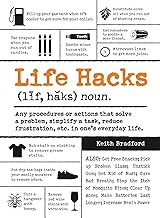
Life Hacks: Any Procedure or Action That Solves a Problem, Simplifies a Task, Reduces Frustration, Etc. in One’s Everyday Life (Life Hacks Series)
Best For:
Busy individuals, students, and gift-givers who want quick, practical tips to simplify daily routines without long tutorials.
Life Hacks is a pocket-friendly compendium designed to give you quick, actionable techniques to smooth out everyday bumps—small changes that multiply into big convenience over time. Rather than being a dense, theoretical manual, this series is organized into bite-sized entries that you can read in short sessions and immediately apply. That makes it ideal for the time-pressed reader who wants quick wins rather than long how-tos.
What this book solves is decision fatigue and inefficiency. Many routine tasks have small tweaks that save minutes or reduce stress; Life Hacks collects those tweaks so you don’t have to hunt across blogs or forums. Topics generally span household tips, productivity shortcuts, travel hacks, and simple DIY fixes. Because entries are brief, you can flip to a random page and find an immediately useful trick—perfect for gifting or keeping by the coffee table.
Real-life usage: commuting professionals can use travel and packing hacks to shave minutes off routine prep, parents can deploy quick household tips to keep mornings moving, and students will find study and memory aids helpful before exams. One common use case is kitchen shortcuts—simple ingredient substitutions and storage hacks that extend produce life or reduce panic when a recipe is missing an item.
Compared with deep-dive DIY manuals, Life Hacks trades comprehensiveness for variety. If you want a single, heavily-illustrated project walkthrough, this isn’t the book. But if you want a catalog of 100+ practical ideas to test and adopt selectively, it’s a better fit. The format also makes it rechargeable territory—keeping the book in a communal area invites others to try a tip, which is often how the best household routines spread.
Buying considerations: check the edition for updated tips, and preview the table of contents to ensure the topics align with your interests. Readers who prefer highly visual guides may wish to pair it with a how-to book that offers step-by-step photos.
Who should buy this: busy people who want quick, pragmatic tips; gift-givers looking for a useful, light read; students and renters who need low-cost life improvements. Who might skip it: readers seeking in-depth tutorials or comprehensive project blueprints.
Check the latest price on Amazon.
Pros
- Bite-sized, easy-to-scan tips
- Wide variety of practical applications
- Good for quick reference or gifting
Cons
- Not a deep-dive how-to manual
- Some tips may be too generic or widely known
Check the latest price on Amazon.
Reader’s Digest Extraordinary Uses for Ordinary Things New Edition (RD Consumer Reference Series)

Best For:
Frugal households, DIYers, and anyone who prefers repurposing common items to buying single-purpose tools.
Reader’s Digest has a long history of curating practical knowledge, and Extraordinary Uses for Ordinary Things continues that tradition by assembling imaginative and practical repurposing ideas. This edition focuses on how everyday household items can serve surprising secondary functions—turning kitchen staples, office supplies, or garden tools into clever solutions for unexpected problems.
This book is especially valuable when you want to cut costs, avoid unnecessary trips to the store, or make do with what’s on hand. It leans into repurposing and creativity more than single-use gadgets, encouraging a mindset shift that reduces waste and stretches resources. The entries range from simple substitutions to more inventive hacks, often accompanied by brief explanations of why the trick works.
Real-life scenarios include repurposing coffee filters as makeshift funnels, using a rubber band to improve grip on slippery jar lids, or turning a clothespin into a cable organizer. For small households and DIYers, these fixes can mean the difference between stopping a project to buy a specialty item and finishing the job with an inexpensive workaround.
Compared with a dedicated life-hacks book, the Reader’s Digest approach emphasizes resourcefulness and sustainability. The suggestions often lean on common household items rather than one-off purchases, making it an appealing choice for frugal shoppers and environmentally conscious readers.
Buying considerations: the book is best as an idea-sparking reference rather than a step-by-step manual. If you prefer illustrated, workshop-style instructions, look for companion titles with photos. The print format and index quality matter if you plan to consult it frequently—check sample pages to ensure the layout suits how you’ll use it.
Who should buy this: DIY lovers, frugal households, and readers focused on repurposing and sustainability. Who might not need it: people who prefer buying ready-made specialty tools for each task rather than improvising with household items.
Check the latest price on Amazon.
Pros
- Encourages resourcefulness and sustainability
- Many low-cost, practical ideas
- Great reference for quick household fixes
Cons
- Not heavily illustrated—may lack step-by-step photos
- Some suggestions may be situational or dependent on available items
Check the latest price on Amazon.
The Everyday Genius: Why Ordinary Minds Solve Extraordinary Problems

Best For:
Professionals, teachers, and curious readers who want to develop creative problem-solving skills rather than look up quick fixes.
The Everyday Genius explores the psychology and real-world examples of how regular people come up with surprising solutions to hard problems. Rather than a prescriptive life-hack list, this book is a thought-provoking read that explains the cognitive patterns and situational factors behind creative problem-solving. If you like to understand "why" a tip works rather than just "how," this title connects scientific insight with practical takeaways.
The value of this book is in its framing: it helps readers cultivate the kinds of conditions that lead to useful insights—curiosity, reframing issues, and combining unrelated knowledge. For professionals, the book offers mental models that improve brainstorming and decision-making. For home users, the same concepts translate into practical approaches: how to break down a frustrating recurring problem at home into solvable parts, or how to spot a pattern that suggests a simple fix.
Use cases include team leaders seeking to foster inventive problem-solving at work, parents who want to teach kids flexible thinking, and hobbyists who enjoy applying cognitive tricks to everyday tasks. Unlike purely tactical books, this one encourages a longer-term shift in how you approach challenges, which can yield compound benefits over months and years.
Compared with how-to guides, The Everyday Genius is more conceptual. It pairs anecdotal examples with research-based explanations, making it suitable for readers who enjoy narrative nonfiction and practical psychology. If you want immediate step-by-step fixes, combine this book with a life-hacks title for both theory and practice.
Buying considerations: preview the chapter list to see whether the book emphasizes neuroscience, case studies, or practical exercises. Some readers prefer a workbook-style format if they want guided practice; this title is better as a thoughtful exploration.
Who should buy this: curious readers, team leads, teachers, and anyone who wants to build a creative problem-solving mindset. Who might skip it: readers seeking only quick, appliance-level fixes without conceptual depth.
Check the latest price on Amazon.
Pros
- Explains the psychology behind creative solutions
- Useful mental models for long-term problem solving
- Engaging for readers who like narrative nonfiction
Cons
- More conceptual than a tactical how-to
- May require pairing with practical guides for immediate application
Check the latest price on Amazon.
Sneaky Uses for Everyday Things (Volume 1) (Sneaky Books)

Best For:
Creative hobbyists, renters, students, and anyone looking for quick, low-cost improvised solutions using items on hand.
Sneaky Uses for Everyday Things is a lighthearted yet practical collection of clever repurposing ideas—think of it as a pocket-sized toolkit of improvisations. The tone is playful, and the projects are usually low-cost and low-risk, which makes the book ideal for anyone who likes a clever shortcut or a surprising lifehack that doesn’t require new purchases.
The book’s strength is accessibility: it emphasizes solutions that use items you already have, from kitchen utensils to stationery. That makes it a great quick reference when you’re mid-project and need an inventive pivot. The entries often include quick diagrams or short explanatory notes, helping readers visualize how an everyday object can serve a different function.
Real-life scenarios where this book shines include craft projects, on-the-fly organizers for travel, and simple home repairs where a creative repurpose will do. For example, it’s especially handy during moving day—readers will find tricks to protect fragile items with common materials or temporarily fix a broken clasp without specialized tools.
Compared to heavier DIY tomes, Sneaky Uses trades thoroughness for speed and surprises. It’s less about long-term solutions and more about immediate, creative substitutions. If you enjoy tinkering and delight in an "aha" moment, this book supplies those moments frequently.
Buying considerations: check whether the edition you choose includes illustrations if visuals are important to you. Also consider pairing it with a more technical reference if you anticipate tackling more permanent repairs rather than temporary fixes.
Who should buy this: creative hobbyists, renters, students, and anyone who enjoys low-cost improvisation. Who may skip it: those looking for durable, specialized tool recommendations for professional-level projects.
Check the latest price on Amazon.
Pros
- Playful, accessible ideas that use common items
- Quick reference for on-the-spot fixes
- Good source of inspiration for DIY projects
Cons
- Focuses on temporary or makeshift solutions
- Not a substitute for professional tools for serious repairs
Check the latest price on Amazon.
Final Verdict
The products in this guide cover two complementary ways of solving everyday problems: small, focused gadgets that remove friction immediately, and idea-packed books that expand your creative toolkit. If you want instant, reliable convenience in the kitchen, the Dishwasher Magnet Clean/Dirty sign offers a near-instant return on a tiny investment—no batteries, no fuss. For minds that enjoy variety and inspiration, the Life Hacks, Reader’s Digest, The Everyday Genius, and Sneaky Uses books provide different flavors of problem-solving: quick tips, resourceful repurposing, conceptual frameworks, and playful improvisations.
Match your purchase to your goal. Buy the magnet if you need a practical appliance fix that integrates into daily routines. Pick up a life-hacks book if you want dozens of short, actionable tricks to try immediately. Choose Reader’s Digest or Sneaky Uses for resourcefulness and repurposing, and add The Everyday Genius if you’re interested in the mindset behind creative solutions.
Together, these items form a compact regimen for smarter living: one tactile tool for everyday housekeeping and several books that train your eyes to see possibilities in ordinary things. If you’re building a practical, low-cost collection of problem solvers, this mix covers both action and inspiration in a balanced way.
Check the latest price on Amazon.
Conclusion
These Genius Gadgets That Solve Everyday Problems picks are trending now and offer great value and variety. Check the links above for latest prices and reviews.
As an Amazon Associate, I earn from qualifying purchases.
Tags:
life hacks, everyday gadgets, kitchen organization, DIY tips, creative problem solving, household hacks, practical gifts
