Desk Essentials Creators Use for Decluttering
As an Amazon Associate, I earn from qualifying purchases. This article may contain affiliate links, which means we may receive a commission at no extra cost to you.
As an Amazon Associate, I earn from qualifying purchases. This article may contain affiliate links, which means we may receive a commission at no extra cost to you.
Decluttering an apartment can feel overwhelming: surfaces pile up, routines slip, and decisions freeze. Creators—content makers, writers, streamers, and small-space enthusiasts—often rely on a small set of desk tools to turn that chaos into a repeatable process. This guide walks you through five highly practical desk products that help plan, prioritize, and maintain a decluttered space. I researched product specs, customer feedback trends, and real-life use scenarios to highlight tools that work for focused sprints, ADHD-friendly routines, and long-term home management. Whether you live in a studio or a multi-room apartment, these desk items can turn decluttering from a chore into a system you actually stick to.
Buying Guide
How to choose desk tools for apartment decluttering
1) Decide between paper and digital: Digital apps are flexible, but paper planners and checklists stay visible on your desk, act as visual prompts, and avoid notification fatigue. If you frequently get distracted by screens, a physical notepad or planner can be more effective.
2) Look for structure and simplicity: For decluttering, undated weekly sheets, checkbox-driven cleaning planners, and room-by-room journals are more useful than blank notebooks. Structured prompts reduce decision fatigue—important for short, recurring declutter sessions.
3) ADHD-friendly features matter: Clear checkboxes, short tasks, time estimates, and undated pages let you start any day without guilt. Planners that break big tasks into 10–20 minute actions are better for maintaining momentum.
4) Size and desk footprint: If your desk doubles as a staging area for things to sort, pick a notepad or planner that sits flat and doesn’t block your workspace. An 8.5"×11" pad is great for visibility, while slim journals work on narrower desks.
5) Durability and paper quality: Thicker paper tolerates highlighting and frequent flipping. Perforated pages are handy if you want to remove completed lists to track progress elsewhere.
6) Use-case prioritization: If you need quick weekly planning, a weekly to-do pad is ideal. For habit-building and deeper declutter projects, choose a guided journal or a cleaning planner that tracks daily/weekly/monthly tasks.
Compare with standard alternatives: generic notebooks and digital reminders are inexpensive and flexible, but often lack the step-by-step prompts, ADHD-friendly checklists, or visible weekly layout that keep creators on track. The five picks below bridge that gap with focused features and practical layouts.
Weekly To Do List Notepad with 52 Undated Sheets(8.5"×11")- Undated Weekly Planner Notepad for Office Desk Accessories and Supplies – Midnight Lilac

Best For:
Creators who want a visible, flexible weekly snapshot and simple checklists for short declutter sessions.
If you want a simple, visible way to plan decluttering sessions from your desk, this Weekly To Do List Notepad is a straightforward solution. The pad includes 52 undated sheets sized 8.5"×11", offering a full year of weekly planning without forcing you into a dated format. That flexibility is useful during apartment decluttering because it removes pressure—miss a week? Start fresh the next one without wasted pages.
Main benefits: the large, single-sheet weekly layout keeps your weekly priorities in view while you sort items, and the undated format means you can use intense bursts of decluttering whenever you want. The Midnight Lilac design adds a subtle color cue that many creators report helps the pad stand out on a busy desk without being distracting.
Real-life use cases: place a single sheet upright in a clipboard or beneath a desk organizer to remind you of the day’s 15–30 minute tasks: “Declutter kitchen counter (15 mins), sort mail pile (10 mins), donate 3 items.” For content creators who film time-lapse declutters or produce organization reels, the pad’s clear checklist format makes it easy to narrate and tick boxes as segments finish.
Why it’s valuable: compared with a generic notebook, this notepad gives you a consistent weekly view and an easy-to-scan checklist—two features that reduce planning friction. It’s also more tactile and visible than phone reminders, which can be ignored or buried under notifications.
Who should buy it: creators who prefer a visible weekly snapshot, apartment dwellers with varying schedules, and anyone who benefits from checking off mini-goals. Who might skip it: if you already use a digital system that reliably prompts you, or you need guided prompts for deeper room-by-room declutters, a structured journal may be better.
Practical observations and buying considerations: the 8.5"×11" size provides good writing space but takes up desk real estate. The paper weight is adequate for pens and light markers—if you like heavy ink or marker bleed, consider a thicker-pad alternative. The undated format is a plus for flexible schedules, and the pad’s single-sheet focus encourages short, actionable tasks rather than sprawling to-do lists.
Check the latest price on Amazon.
Pros
- Undated weekly layout for flexibility
- Large 8.5"×11" writing area
- Clean checklist format that’s easy to scan
Cons
- Takes up more desk space than slim journals
- Not guided—no room-by-room coaching
If you like a visible weekly plan that sits on your desk and simplifies short declutter tasks, add this notepad to your routine. Check the latest price on Amazon.
ADHD Cleaning Planner for Adults Women, Cleaning Schedule and Checklist Notebook

Best For:
Adults and creators with ADHD-like attention challenges who benefit from micro-task lists and routine trackers.
This ADHD Cleaning Planner is designed around short, repeatable tasks and clear checklists—features that matter when decluttering an apartment feels like too much to start. The planner frames cleaning as micro-routines, breaking household chores into daily, weekly, and monthly lists so you can chip away without decision paralysis.
Main benefits: the structured cleaning schedule helps maintain momentum by translating vague intentions into timed, checkable actions. Many buyers with ADHD or executive function challenges report that planners that include space for notes, priorities, and small steps reduce the number of unfinished tasks on their desk—exactly what you need during a declutter sprint.
Real-life use cases: use it as a pre-declutter checklist: scan rooms, note problem areas, assign micro-tasks like “sort one shelf (20 mins)” or “donate pile (12 items).” For creators, it doubles as a content planner for declutter series: outline what will be cleaned each episode and track progress across weeks. It’s also handy for roommates and partners to align on shared chores without long conversations.
Why it’s valuable: compared with a general planner or a simple to-do list, this planner’s ADHD-friendly layout helps reduce the friction of starting and finishing tasks. It becomes a reference point you can leave open on your desk so the next small action is always visible.
Who should buy it: people who struggle to start household tasks, anyone building cleaning routines, and creators producing declutter or lifestyle content who need repeatable checklists. Who may not need it: if you prefer digital reminders with automatic repeats or already follow a detailed home management system.
Practical considerations: check the notebook’s page layout—some users prefer heavier paper and perforated pages for tearing out checklists. If you want visual trackers (stickers, color-coding), pair this planner with colored pens or dots. The planner supports short bursts better than long, marathon cleaning sessions.
Check the latest price on Amazon.
Pros
- ADHD-friendly task breakdowns
- Daily/weekly/monthly checklists
- Good for shared household coordination
Cons
- May feel repetitive for users who already have a strict routine
- Paper quality varies by edition
If breaking down declutter tasks into short, repeatable actions helps you start and finish more, this planner is a practical desk companion. Check the latest price on Amazon.
ADHD Cleaning Planner – Cleaning Schedule and Checklist Organizer for Adults and Teens

Best For:
Teens and adults who benefit from daily repetition, and creators seeking a habit-oriented checklist for recurring declutter tasks.
This Cleaning Schedule and Checklist Organizer is another focused planner tailored to ADHD minds, teens, and adults who need clear, bite-sized tasks. It emphasizes daily consistency and habit formation with repetitive, easy-to-scan checkboxes and occasional prompts to review progress.
Main benefits: structured repetition breeds habit. The planner’s layout nudges you toward short, achievable tasks that stack into meaningful progress—perfect for small apartments where decluttering often happens in overlapping zones: desk, kitchen counter, and wardrobe.
Real-life usage examples: keep the planner on your desk while you handle mail and small clutter. Set a 15-minute timer and use the planner to decide the exact task—close the closet door and remove three items for donation, sort one drawer, or wipe and reorganize a shelf. For content creators making educational organization content, the planner doubles as an episode checklist and progress tracker for follow-up videos.
Why it’s valuable: compared with an undated weekly notepad, this planner focuses on consistency and habit-building. If your struggle is not knowing what to do next—or getting back into routines after a break—this organizer lowers the activation energy with repeated, easy prompts.
Who should buy it: teens, adults with ADHD-like tendencies, and creators who need a repeatable, check-driven approach to maintaining a tidy apartment. Who might skip it: those who prefer freeform journaling or high-level planning without daily checklists.
Practical observations and considerations: pair the planner with a simple timer app to maximize 10–20 minute sessions. If you live with others, consider a duplicate planner for common spaces so everyone can track shared tasks. Note that the value comes from consistent use—treat it as a daily habit rather than a one-off purchase.
Check the latest price on Amazon.
Pros
- Habit-focused layout
- Clear checkboxes to reduce decision fatigue
- Works well with short time-boxed sessions
Cons
- Requires daily commitment to see benefits
- Not a replacement for a room-by-room coaching journal
For habit-building and short, consistent declutter sessions that fit on a busy desk, this planner is a solid pick. Check the latest price on Amazon.
PGJ ADHD Cleaning Planner for Adults – Undated Daily, Weekly & Monthly Cleaning Schedule & Checklist

Best For:
People who want layered daily/weekly/monthly structure without dates, and creators planning multi-week declutter projects.
This PGJ ADHD Cleaning Planner brings an undated, flexible structure to daily, weekly, and monthly cleaning tasks—helpful for apartment declutters that don’t follow a rigid schedule. The undated format lets you start any day and build momentum without feeling you’ve “missed” parts of a planner.
Main benefits: having daily, weekly, and monthly sections in one notebook helps you switch scales—from quick surface tidy-ups to monthly deep-cleans—without juggling multiple systems. Creators often use such planners to storyboard multi-part declutter projects: plan which area to tackle each week, schedule follow-ups, and log what items were donated or repurposed.
Real-life use cases: use the monthly section to plan larger declutter goals like “clear under-bed storage,” then break that into weekly and daily micro-tasks on desk-facing pages. The planner’s undated nature gives you freedom to concentrate on sprints when life allows and switch to maintenance mode in busier periods.
Why it’s valuable: this planner sits between a simple notepad and a full coaching journal. It offers the structure needed to maintain progress without the pressure of dated layouts. Compared to apps that auto-schedule tasks, the physical planner keeps your intentions visible and tangible on your desk.
Who should buy it: people who need flexibility, creators who plan multi-session declutter projects, and anyone who prefers a paper-driven system with layered task scales. Who may not need it: those who prefer guided room-by-room coaching or a lightweight weekly pad for single-session planning.
Buying considerations: check paper thickness if you annotate heavily or use markers. If you want progress visuals, add stickers or colored markers. Because it’s undated, you’ll have to self-manage continuity—use tabs or sticky notes to mark current pages.
Check the latest price on Amazon.
Pros
- Undated flexibility
- Covers daily to monthly tasks in one place
- Good for project planning and follow-ups
Cons
- Requires manual tracking of continuity
- Paper quality may vary by print
If you need an undated planner that handles quick tasks and bigger projects on the same desk, this PGJ planner is worth considering. Check the latest price on Amazon.
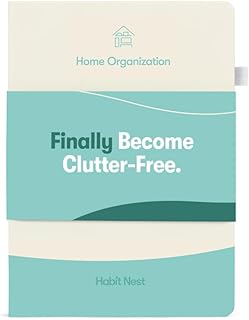
The Home Organization Sidekick Journal by Habit Nest
Best For:
People who want guided room-by-room coaching, creators planning detailed transformations, and those resolving sentimental clutter.
Habit Nest’s The Home Organization Sidekick Journal is a guided, room-by-room companion that coaches you through decluttering and organizing. Unlike simple checklists, this journal provides prompts, progress tracking, and exercises to help you develop habits and make decisions about what to keep, donate, or discard.
Main benefits: guided journaling removes the guesswork—particularly helpful for creators who want to convert a messy space into a repeatable, stylized backdrop for videos or photos. The Sidekick’s prompts encourage you to think beyond immediate tidying and build systems that prevent re-clutter.
Real-life examples: use it to map a multi-week declutter plan: outline goals for each room, track emotional decisions about items, and record the outcomes (donated items, storage changes). For creators filming transformation content, the journal helps you plan narrative beats—before, during, and after—so your content follows a meaningful arc.
Why it’s valuable: compared with checklist-style planners, a guided journal helps with decision-making and long-term maintenance. It’s ideal for people who find themselves decluttering only to have things creep back—the Sidekick encourages systemic changes, not just surface-level fixes.
Who should buy it: creators and homeowners who want coaching-style prompts, people who struggle with sentimental items, and anyone building long-term organizational systems. Who may not need it: if you prefer quick checkbox systems for short, repetitive tasks or have a very small space where quick sprints suffice.
Buying considerations and observations: the guided format takes longer per session, so allocate 30–60 minutes for some prompts. Pair the journal with a weekly notepad for day-to-day task management. If you prefer a tactile, step-by-step coach on your desk rather than filmable checklists, this journal fills that role.
Check the latest price on Amazon.
Pros
- Guided prompts for decision-making
- Room-by-room coaching for sustainable change
- Encourages long-term systems, not quick fixes
Cons
- Requires longer sessions for full benefit
- More reflective than quick-checklist focused
If you want a structured, coaching-style journal to guide deeper decluttering and create lasting systems, this Sidekick Journal can be a smart desk companion. Check the latest price on Amazon.
Final Verdict
Small, consistent actions beat occasional marathon cleans. For creators and apartment dwellers who want decluttering to be repeatable and visible, a mix of tools—an undated weekly pad, ADHD-friendly checklist planners, and a guided coaching journal—gives you the flexibility, structure, and decision-making support you need. Use a weekly notepad for visible short-term planning, an ADHD planner for daily habit formation, and a guided journal for larger room-by-room projects. Pair these with a simple timer and a small donation box to turn intent into outcomes. Remember: the right desk product is the one you will use consistently—pick one that matches your working style and desk space.
Check the latest price on Amazon.
Conclusion
These Desk products creators use during apartment decluttering picks are trending now and offer great value and variety. Check the links above for latest prices and reviews.
As an Amazon Associate, I earn from qualifying purchases.
Tags:
apartment decluttering, declutter planners, ADHD cleaning planner, weekly to-do notepad, home organization journal, creators desk tools, small space organizing
