Eco-Friendly Kitchen & Personal Care Swaps
As an Amazon Associate, I earn from qualifying purchases. This article may contain affiliate links, which means we may receive a commission at no extra cost to you.
Sustainable swaps are no longer a niche hobby — they’re part of many households’ daily routines. As an Amazon Associate, I earn from qualifying purchases. This article may contain affiliate links, which means we may receive a commission at no extra cost to you. If you’ve been hunting for small, practical changes that reduce waste and still deliver performance, the five eco-friendly products below are the ones people keep switching to lately. I researched product specs, customer feedback trends and common usage questions to present a buyer-friendly guide that highlights real benefits and realistic trade-offs.
Buying Guide
Choosing eco-friendly household items can feel overwhelming because so many materials and claims exist. Here are practical considerations that help you pick the right swap for your needs.
Materials and compostability: Natural fibers like sisal, hemp, bamboo, coconut coir and cellulose break down more readily than synthetic plastics. Look for certifications (FSC for wood/fiber sourcing, PETA for cruelty-free) when those matter to you. Keep in mind that "biodegradable" doesn’t always mean it will compost in a backyard pile — some products need industrial composting.
Durability vs. replaceability: A tough natural scrub brush can outlast disposable sponges, but many plant-based sponges are softer and need replacing more often. Think in cost-per-use terms rather than just upfront price.
Safety for cookware and skin: If you use non-stick pans or have sensitive skin, choose non-scratch cellulose sponges or soft bamboo cotton pads rather than abrasive fibers. Conversely, coconut and sisal brushes work better on crusty pots and outdoor cookware.
Care and hygiene: Reusable products need cleaning. Machine-washable makeup pads and dishcloths are low-maintenance; natural brushes often last longer if dried properly and not left soaking. Many biodegradable sponges can develop odors faster than synthetic ones if not rinsed and dried.
Packaging and sourcing: Minimal packaging and clear supply-chain claims (e.g., FSC certified) signal stronger eco-credentials. Also check if replacement parts are sold — some brush sets have replaceable heads, extending life and value.
Practical trade-offs: If you’re replacing single-use cotton rounds or paper towels, expect immediate waste reduction and small behavior changes. If you’re swapping a plastic dish brush used for heavy scrubbing, you may need to accept slightly more maintenance for a wooden brush.
Finally, match the product to the problem: absorbency and quick-drying are critical for spills; abrasiveness matters for burnt pots; softness and gentleness matter for facial care. Use the product descriptions below as scenario-based comparisons to find the best fit for your household.
Isshah Plant-Based Kitchen Sponges – FSC Certified and PETA Approved, Natural, Eco-Friendly, Biodegradable Sisal Hemp Sponges for Dishes, Cleaning Sponge for Kitchen, Bathroom, Household – 12 Count

Best For:
Households reducing plastic use, composters, vegans/PETA-conscious buyers, campers seeking compostable scrubbers
The Isshah plant-based kitchen sponges are designed for people who want to phase out synthetic scrubbers without sacrificing everyday cleaning performance. Made from sisal and hemp fibers, these sponges present a naturally abrasive surface for scrubbing away stuck-on food, while still being gentle enough for many non-stick surfaces when used with light pressure. The FSC certification and PETA approval on the pack are useful signals for shoppers who care about responsible sourcing and cruelty-free production. The 12-count format makes them a sensible pantry-style replacement so you always have a fresh sponge available.
What makes these sponges appealing is their all-natural composition. Sisal provides the scrub, hemp lends durability, and the plant fibers biodegrade much faster than plastic-based sponges at the end of their life. For households already composting or using municipal organic waste systems, these sponges are a straightforward swap that reduces microplastic shedding into the wash water. Compared with synthetic cellulose or polyurethane sponges, the Isshah set feels firmer and is better suited to dishes, pots, and pans with baked-on residue.
Real-life usage scenarios include daily dishwashing for a family of two to four, cleaning cast-iron (when used carefully), scrubbing vegetable skins before cooking, and light bathroom cleaning such as tile grout or sinks. They’re also handy for campers who want a lightweight, compostable scrub option. Keep in mind that plant-fiber sponges need to be rinsed thoroughly and left to dry between uses to prevent odors; they generally won’t last as long as nylon-based alternatives under constant heavy-duty scrubbing.
Who should buy these: eco-conscious households seeking compostable cleaning tools, vegans looking for PETA-approved options, and anyone replacing single-use or synthetic sponges. Who may not need them: people who regularly rely on ultra-abrasive steel wool or need the longest-lasting synthetic scrub for industrial-scale cleaning—those users might prefer a heavy-duty nylon or stainless-steel tool.
Practical observation: customers switching from plastic sponges often praise the tactile feel and reduced plastic waste, but they also report replacing these plant sponges more frequently. This trade-off leads to evaluating cost per use and having an ample supply on hand.
Check the latest price on Amazon.
Pros
- Biodegradable sisal and hemp composition
- FSC certified sourcing and PETA approved
- Good scrub power for baked-on residue
Cons
- Shorter lifespan than synthetic sponges under heavy use
- Needs thorough drying to avoid odors
Check the latest price on Amazon.
LILAC 12 Pack Natural Cellulose Sponges for Dishes – Non-Scratch Kitchen Scrub Sponges – 100% Biodegradable & Eco-Friendly Cleaning Sponges for Non-Stick Cookware, Bathroom & Household

Best For:
People with non-stick cookware, apartment kitchens, everyday dishwashing and surface wiping
The LILAC natural cellulose sponges are an attractive option for shoppers who want a versatile, non-scratch cleaning tool that’s kinder to the environment than conventional synthetic sponges. Cellulose sponges are known for high absorbency and a soft, pliable texture that makes them excellent for delicate surfaces like non-stick pans, glassware, and stainless-steel appliances. LILAC’s 12-pack replaces disposable kitchen sponges and is marketed as 100% biodegradable, which makes it a logical choice for reducing household waste.
Compared to tougher plant-fiber scrubbers (like sisal or coconut coir), these cellulose sponges feel gentler and more flexible, so they’re a better match for everyday dishwashing, wiping counters, and cleaning bathroom surfaces without scratching. They’re also a more familiar switch for people used to the feel of mainstream synthetic cellulose sponges, making the transition to biodegradable options smoother. Expect strong absorbency for quick spill clean-ups and effective lathering with common dish soaps.
Real-life scenarios include regular dish duty in apartments and family kitchens, wiping down sticky countertops after meal prep, cleaning inside coffee mugs and glasses, and serving as a multi-purpose sponge for bathroom sinks and fixtures. If you have delicate ceramic or Teflon-coated cookware, these are preferable to rougher natural-bristle scrubbers. A practical tip is to wring them out and let them air-dry between uses; like other biodegradable sponges, cellulose can trap moisture and benefit from frequent drying to reduce odour and bacterial growth.
Who should buy these: people who want a non-scratch, biodegradable sponge for everyday cleaning; renters and apartment cooks who prefer softer scrubbers; environmentally minded shoppers replacing plastic sponges. Who may not need them: those tackling heavy, burned-on messes on cast-iron or carbon steel; those who prefer long-lived nylon scouring pads for professional or very heavy cleaning.
Practical observation: many shoppers find cellulose sponges to strike a good balance between performance and eco-credentials, but the lifespan varies with use intensity—rotate and replace when sagging or developing lingering smells.
Check the latest price on Amazon.
Pros
- Soft, non-scratch surface safe for delicate cookware
- Highly absorbent and flexible
- 100% biodegradable material
Cons
- Can retain moisture and need frequent drying
- Less abrasive for heavy baked-on grime
Check the latest price on Amazon.
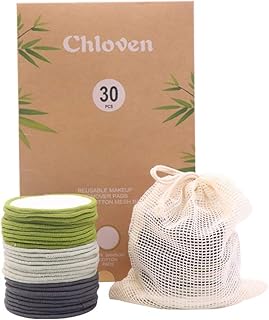
Chloven 30 Pack Reusable Makeup Remover Pads – Bamboo Cotton Rounds for Toner, Washable, Eco-Friendly for All Skin Types with Cotton Bag for Storage
Best For:
Eco-conscious makeup wearers, travelers, and anyone replacing disposable cotton rounds
If you’re used to tossing single-use cotton rounds into the trash after every toner and makeup removal step, the Chloven reusable bamboo cotton pads are worth a look. Sold in a 30-pack with a laundry bag for easy washing, these rounds are made from bamboo-derived fibers blended with cotton to give a soft, absorbent pad that’s gentle on skin yet durable through dozens of wash cycles. For eco-minded skincare routines, they cut down on cotton waste and recurring purchases of disposable pads.
Bamboo fibers are naturally breathable and have moisture-wicking properties, which makes these pads quick to dry compared with pure cotton. They’re excellent for applying toner, removing light makeup, cleansing with a micellar solution, or patting on moisturizer. The included cotton wash bag is a thoughtful touch—toss the used pads into the bag and throw it in the washing machine to keep everything together. Users often pair these rounds with an oil cleanser for removing daily makeup or with a balm cleanser for evening routines.
Real-life use-cases: a minimal morning routine where you use one pad to apply toner and another to press on serum; a nightly double-cleanse where reusable pads are used for the toner and final wipe; travel packs for weekend trips to avoid carrying bulk disposable rounds; and household cleaning tasks like polishing metal fixtures or wiping small surfaces. Note that while these pads perform well with light to moderate makeup, very heavy waterproof mascara or full-coverage long-wear foundation may require pre-removal with an oil-based cleanser or a second, dedicated remover cloth.
Who should buy these: anyone looking to reduce personal-care waste, frequent makeup wearers who want an economical option, and travelers who appreciate the compact laundry bag. Who may not need them: people who remove heavy waterproof makeup daily without using an oil pre-cleanse, or those who prefer single-use sanitary options.
Practical observation: buyers commonly report that the pads hold up well over months if laundered gently and allowed to air dry. Expect some staining over time depending on makeup products used, which is normal and cosmetic rather than functional.
Check the latest price on Amazon.
Pros
- Reusable and machine washable with included laundry bag
- Soft bamboo-cotton blend good for sensitive skin
- Large pack reduces frequent repurchasing
Cons
- May need pre-removal for heavy waterproof makeup
- Pads can stain over time (cosmetic issue)
Check the latest price on Amazon.
DEBETOOL 6 Piece Bamboo Dish Brush Set with Coconut Sponge – Wooden Dish Brush with Sisal and Palm Fiber, Natural Bamboo Dish Scrub Brush for Kitchen Cleaning Dishes, Pots, Pans, Bottles, Vegetables

Best For:
People who prefer brush cleaning for pots, pans, bottles, and vegetables; buyers avoiding sponges
The DEBETOOL bamboo dish brush set is aimed at shoppers who prefer a brush-first approach to dishwashing — a method that often reduces water use and avoids the soggy, bacteria-prone sponge lifecycle. This 6-piece set typically includes a handle brush with a firm sisal head, a coconut-fiber dish sponge, a bottle brush for narrow-neck containers, a pot scrubber, and often additional smaller brushes for corners and utensils. Bamboo handles and natural fibers make the set largely compostable (aside from any small metal fittings), and the tactile wooden handles give a secure, ergonomic grip.
Compared with plastic-handled brushes, the bamboo set brings a warmer aesthetic and a lower long-term environmental footprint when responsibly sourced. The firm sisal and palm fibers excel at removing stuck-on food, and the coconut sponge adds a softer option for lighter wiping. Brushes are particularly effective for cleaning cast-iron skillets, deep pots, and water bottles where a sponge can struggle to reach. When used with hot water and a modest amount of dish soap, these brushes can clean efficiently with less elbow grease than you might expect.
Real-life use-cases: scrubbing dinnerware and pans in an eco-conscious household, cleaning narrow jars and baby bottles with the bottle brush attachment, washing potatoes and root vegetables without damaging skins, and using the small scrubbing head for grout or stovetop crevices. For those who like to air-dry items on a rack, brushes dry quickly and linger less moisture than sponges, which reduces odor risk.
Who should buy these: households that prefer a brush to a sponge, people who clean a lot of cookware and bottles, and buyers who want replaceable brush heads to extend product life. Who may not need them: those who favor ultra-soft sponges for delicate non-stick surfaces, or households that rely exclusively on dishwashers for cleaning (brushes help but aren’t necessary if you never hand-wash).
Practical observation: longevity depends on avoiding prolonged soaking of wooden parts and occasionally replacing brush heads; many shoppers appreciate the modular nature of the kit and the clear reduction in plastic waste.
Check the latest price on Amazon.
Pros
- Firm natural fibers for effective scrubbing
- Includes bottle brush and multiple heads
- Sustainable bamboo handles and compostable fiber heads
Cons
- Wood components need care (avoid soaking/dishwasher)
- Brush heads eventually need replacement
Check the latest price on Amazon.
Swedish Dishcloths for Kitchen, Swedish Dish Cloths 5 Pack, Super Absorbent Reusable Paper Towels Washable, Biodegradable, Quick Drying, Dishwasher Safe

Best For:
Households replacing paper towels, wary of microfiber shedding, and those wanting quick-dry reusable cloths
Swedish dishcloths bridge the gap between disposable paper towels and microfiber cloths. Made from a blend of cellulose and cotton, these thin but super-absorbent cloths soak up spilled liquids rapidly and can be wrung out, washed, and reused hundreds of times. The quick-drying nature and dishwasher-safe claim make them attractive to busy kitchens where convenience and hygiene matter. They’re also biodegradable, so when the cloth finally reaches end-of-life you can compost it rather than add another paper towel to the landfill.
Compared with single-use paper towels, Swedish dishcloths reduce a lot of ongoing waste while offering similar absorbency. Compared with microfiber, they are plant-based and don’t shed plastic microfibers into wastewater. The texture is slightly different — they’re less plush and feel more like thick paper when dry, but very effective when wet for wiping counters, sinks, and appliances. Their thin profile also makes them handy as liners for plates when transporting dripping produce or as makeshift pot holders in a pinch.
Real-life examples: keeping a roll of 2–3 cloths handy for daily spills and splatters, using them to dry produce after washing, placing one in the car for emergency spills, or stacking a few in a camping cook set to cut paper use. They’re also popular for quick surface cleans between meals because they’re easy to rinse and throw in the dishwasher or wash by hand. A common practical tip is rotating them through small loads of the dishwasher to sanitize and speed drying.
Who should buy these: people replacing paper towels, those wary of microfiber shedding, and small households looking for a compact, reusable option. Who may not need them: buyers who prefer plush towels for heavy-duty scrubbing or those who need very abrasive cloths for tough grime.
Practical observation: stain resistance is limited — colorful foods may leave marks — but that doesn’t affect performance. Over months of use, most households find they significantly reduce paper towel purchases and the cloths remain functional with occasional washing.
Check the latest price on Amazon.
Pros
- Highly absorbent and quick-drying
- Biodegradable cellulose-cotton blend
- Dishwasher safe and reusable many times
Cons
- Can stain from colorful foods
- Not as plush for heavy scouring
Check the latest price on Amazon.
Final Verdict
Small changes add up: swapping disposable cotton rounds, single-use sponges and paper towels for reusable and plant-based alternatives is a straightforward way to reduce household waste with minimal behavior change. The products highlighted here cover different needs—soft cellulose sponges for non-stick pans, sturdier sisal-hemp sponges for baked-on messes, bamboo makeup pads for personal care, a bamboo brush kit for heavy scrubbing and bottles, and Swedish dishcloths for replacing paper towels. Each choice involves trade-offs between lifespan, maintenance, and aggressiveness of scrubbing power. If you prioritize compostability and natural materials, the Isshah sisal-hemp sponges and DEBETOOL bamboo brush set are strong picks. If you want a gentle, straightforward swap for daily dishwashing, the LILAC cellulose sponges and Swedish dishcloths are more familiar. For personal care, Chloven reusable rounds are a low-effort, high-impact swap from disposable cotton rounds.
Before buying, consider how you clean (hand-washing vs. dishwasher), how often you replace items, and whether you have a composting option—those factors determine the overall environmental benefit and cost-per-use. If you’re new to sustainable swaps, start with a 1–2 item change (for example, replacing paper towels with Swedish dishcloths and disposable cotton rounds with bamboo pads) and observe how your routine adapts. Over time, these small steps compound into less household waste and a more intentional approach to daily chores.
If one of these products fits your needs, tap through to view more product details and confirm the latest offers on Amazon. Check the latest price on Amazon.
Conclusion
These Eco friendly products people keep switching to lately picks are trending now and offer great value and variety. Check the links above for latest prices and reviews.
As an Amazon Associate, I earn from qualifying purchases.
Tags:
eco friendly sponges, biodegradable dish sponge, reusable makeup pads, bamboo dish brush, swedish dishcloths, zero waste kitchen, natural cleaning supplies
