Best Self-Care Accessories for Journaling Routines
As an Amazon Associate, I earn from qualifying purchases. This article may contain affiliate links, which means we may receive a commission at no extra cost to you.
As an Amazon Associate, I earn from qualifying purchases. This article may contain affiliate links, which means we may receive a commission at no extra cost to you.
Journaling is more than a habit; it’s a ritual that supports clarity, emotional processing, and creative energy. The right accessories—soothing stickers, guided workbooks, and simple trackers—can make that ritual easier to maintain and more enjoyable. In this guide I’ve gathered popular and practical self-care accessories people reach for during journaling routines, explaining who they’re for, how they’re used in real life, and what to consider before buying. The selections below are based on product details, reading of customer feedback, and features that consistently help users turn a sporadic note-taking habit into a steady self-care practice.
Buying Guide
How to choose the best self-care accessories for journaling
Purpose first: Identify what you want from your journaling session. Do you need emotional processing, habit tracking, creative stickers to reduce friction, or a guided workbook to prompt deeper reflection? Accessories should support that core purpose rather than distract from it.
Format and size: Consider whether you’ll journal at a desk, in bed, or on the go. Compact pads and trackers (5–6 inches) are easier to carry, while larger workbooks and planner pages may be better for at-home sessions. Paper quality matters if you like to use markers or wet-ink pens—look for thicker stock if you pair journaling with hand-lettering or watercolor.
Guided vs. freeform: Guided journals and workbooks provide prompts and structure—great for beginners or anyone stuck in a rut. Freeform journals, stickers, and trackers are flexible and appeal to experienced journalers who want to personalize their routine.
Aesthetics and mood: Self-care is sensory. Calming pastel palettes, illustrated stickers, and tactile paper can make sessions feel nurturing. That sensory appeal helps build consistency: if the journal setup feels inviting, you’re more likely to return to it.
Practical features to watch for:
– Sticker variety and adhesive quality—stickers should be easy to peel, repositionable for layouts, and have designs that reinforce relaxation or mindful reminders.
– Prompt quality—workbooks should strike a balance between gentle encouragement and deep prompts that invite reflection without overwhelming.
– Tear-off pads and trackers—look for neat layouts with checkboxes and space for notes so you can quickly log wins and habits without overthinking.
Who shouldn’t invest: If you prefer unfettered freewriting or digital journaling on a tablet, extensive physical accessories may add unnecessary clutter. Also, if your priority is therapeutic intervention for serious mental health concerns, accessories complement but don’t replace professional care.
Reading product details and user feedback for durability, paper weight, and prompt tone will help you match accessories to your style. Below are five thoughtfully selected items that routinely show up in journaling toolkits, with practical examples for how to use them in everyday routines.
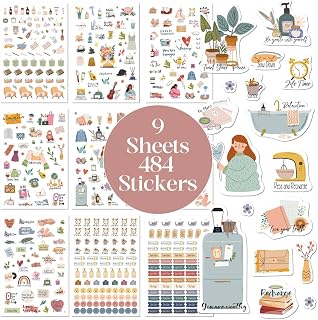
BIROYAL Daily Planners Rest is Self-Care Planner Sticker Pack – 9 Sheets / 480+ Stickers – Relaxation Themed Illustrations for Mental Health & Wellness – Journaling, Scrapbooking, Planning
Best For:
Visual journalers, bullet journal users, scrapbookers, and people who want low-effort self-care reminders
If you’re building a journaling ritual, a good sticker pack removes friction and adds visual cues that make self-care feel intentional. The BIROYAL "Rest is Self-Care" sticker pack includes nine sheets and more than 480 stickers, featuring gentle illustrations—tea cups, cozy blankets, breathing reminders, and tiny habit icons—that are designed specifically to pair with planners, bullet journals, and scrapbooks.
Main benefits: The huge variety of small, themed stickers makes it easy to label moments of rest or track micro-habits without needing to write lengthy entries. Because the pack includes many duplicates and tiny icons, it’s perfect for repeat use across weekly spreads or habit trackers. The pastel color palette is calming rather than loud, so the stickers enhance an entry without overwhelming your handwriting or layout.
Real-life usage: Use the stickers to mark a 10-minute evening wind-down, a therapy appointment, or a mood-check. They’re especially handy for people who use bullet journals and want consistent icons across months. For busy parents or professionals, placing a sticker on a calendar date can serve as a low-effort reminder to prioritize a small act of self-care.
Why it’s valuable: Compared with printing your own stickers or buying single-sheet novelty packs, this large set offers sticker economies of scale and a consistent visual language. The adhesive is mild—strong enough to stay in place yet not so permanent that a careful peel can reposition a sticker during layout changes. Customers looking for journal-friendly sizes will appreciate the mix of tiny motifs and slightly larger decorative labels.
Buying considerations: If you frequently use wet-ink pens or heavyweight paper, test a small sticker first—some sticker backs may show through very thin paper. If you prefer minimalist monochrome layouts, a colorful sticker pack might feel too decorative.
Who should buy: Ideal for visual journalers, bullet journal users, scrapbookers, and anyone who wants to add consistent self-care reminders to a planner without writing extra notes. Great for beginners who need low-effort cues and for habitual journalers who want to speed up weekly layouts.
Who may not need it: If you keep all your notes digital or prefer a stark, text-only journal, a large sticker pack may be unnecessary.
Practical observation: Many buyers mention that the sheets store well in a planner pocket or a small pouch, which is useful if you move between home and a café. The variety in the pack reduces the need to reorder frequently, and the motifs lean calm rather than trendy, which helps maintain a timeless journaling setup.
Friendly CTA: Add visual calm to your pages and streamline your weekly layouts—check the product page and check the latest price on Amazon.
Pros
- Large variety (480+ stickers) for extended use
- Calming, cohesive pastel illustrations
- Good mix of tiny icons and decorative labels
Cons
- May show through very thin paper
- Too decorative for strictly minimalist journalers
Add visual calm to your pages and streamline your weekly layouts — Check the latest price on Amazon.
Let That Sh*t Go: A Journal for Leaving Your Bullsh*t Behind and Creating a Happy Life

Best For:
People who want approachable, short prompts with a humorous tone; beginners and habit-builders
Let That Sh*t Go is a guided journal with a blunt, humorous tone designed to help people release negative thinking patterns and cultivate small, actionable shifts that support better days. This journal mixes short prompts, blank space for writing, and occasional exercises that encourage re-framing and emotional release. The approachable voice lowers the barrier to starting a practice—especially for those who resist traditionally earnest self-help materials.
Main benefits: The journal’s conversational tone makes tough emotional work feel less heavy. Each prompt is concise, which supports quick, frequent check-ins—useful for morning pages, midday resets, or nighttime wind-downs. The format is particularly helpful for people who want structure but don’t want lengthy essays or therapy-style worksheets.
Real-life usage: Use a 5–10 minute prompt each morning to set an intention or in the evening to discard a lingering worry onto paper. For someone navigating job stress, writing a short "let go" entry after work can create a ritual boundary between the day’s demands and personal time. For those in therapy, this journal pairs well with sessions: jot down a prompt response and bring it to your next appointment to reflect on patterns.
Why it’s valuable: Compared with dense workbooks, this slim guided journal is portable and quick to use. The combination of humor and practical prompts appeals to readers who find traditional self-help too earnest or prescriptive. It’s a low-commitment tool that often becomes a consistent habit because prompts are manageable and the tone is motivating.
Buying considerations: If you prefer solemn, formal reflection, the blunt language might feel off-putting. The journal’s strength is accessibility—not a deep therapeutic curriculum—so don’t expect it to replace structured therapy when serious mental health care is needed.
Who should buy: Suited to anyone who wants approachable daily prompts, people who appreciate candid humor as a nudge toward better habits, and journalers looking for a light, portable companion to regular writing.
Who may not need it: Those seeking clinical therapeutic tools, academic-style journaling, or entirely silent, freeform writing may prefer other formats.
Practical observation: Readers often say the journal helps them form a short, reliable journaling habit because prompts are bite-sized and the tone reduces resistance.
Friendly CTA: Grab a compact, candid prompt book to kick-start your reflective routine and check the latest price on Amazon.
Pros
- Bite-sized, approachable prompts
- Humorous, motivating tone
- Portable and low-commitment
Cons
- Not a substitute for professional therapy
- Tone may be off-putting to those preferring solemn reflection
Grab a compact, candid prompt book to kick-start your reflective routine — Check the latest price on Amazon.
Knock Knock Self-Care Weekly Tracker Pad, Step-by-Step Self-Care Checklist Note Pad (Pastel Version), 6 x 9-inches

Best For:
Busy people, beginners rebuilding routines, and those who prefer checklist-style habit tracking
A weekly tracker pad can turn journaling from an amorphous practice into measurable habits. The Knock Knock Self-Care Weekly Tracker Pad (pastel version) is a 6 x 9-inch tear-off notepad with simple checklists and step-by-step self-care prompts. The design focuses on brevity—check boxes for hydration, movement, sleep, small acts of kindness, and mood notes—so you can complete your entry in under five minutes.
Main benefits: Because it’s fast and visible (you can stick a pad on the fridge or keep it on your desk), this pad lowers activation energy for daily reflection. The pastel layout is upbeat and calming, reducing the intimidation that some people feel when faced with a blank journal page. The checklist format helps busy people translate intentions into consistent behaviors.
Real-life usage: Put the pad by your bedside table and use it as a morning habit checklist: tick off a glass of water, a quick stretch, and a 5-minute breathing exercise. Parents juggling schedules can use the compact pad to log small self-care wins during nap time. If you’re rebuilding a routine after a busy period, the pad gives a clear, short path back to daily care.
Why it’s valuable: Compared with freeform journaling, a checklist reduces decision fatigue and creates visible progress. The pad format—designed to be torn off—keeps pages fresh and prevents you from scrolling back through months of entries when you need a daily reset. Its structure is especially useful for people who respond well to visual progress and habit reinforcement.
Buying considerations: The pad is not a deep reflective tool; it’s a behavior and habit checklist. If you want long-form journaling prompts and extensive space for writing, this pad won’t replace a dedicated notebook. Also, if you prefer bullet journaling inside a bound planner, loose tear-off sheets may feel disjointed.
Who should buy: Ideal for busy professionals, parents, or beginners rebuilding a self-care routine who want a quick, visible daily checklist to prompt small acts of care.
Who may not need it: Dedicated reflective journalers who prefer open-ended writing or people who fully embrace digital habit apps may find the pad too lightweight.
Practical observation: Many users place a pad in communal areas to create a nudging checkpoint for self-care; it’s also small enough to stash in a planner or bag for portable motivation.
Friendly CTA: Make your self-care visible and trackable—check the product and check the latest price on Amazon.
Pros
- Quick, low-effort daily checklist
- Portable 6 x 9-inch pad that’s easy to display
- Calm pastel design reduces friction
Cons
- Not suitable for long-form reflection
- Tear-off format may not fit bound-planner users
Make your self-care visible and trackable — Check the latest price on Amazon.
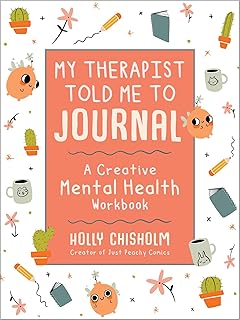
My Therapist Told Me to Journal: A Creative Mental Health Workbook
Best For:
People seeking therapy-style prompts, creative self-care enthusiasts, and those wanting deeper reflection
My Therapist Told Me to Journal is a guided workbook built around therapeutic-style prompts, creative exercises, and practical reflections meant to encourage mental health awareness and emotional growth. It blends actionable prompts with creative exercises—drawings, lists, and short writing tasks—that help make complex feelings more manageable and accessible.
Main benefits: The workbook offers deeper, therapy-adjacent prompts without assuming you’re in clinical care. It’s structured to encourage progressive reflection: short exercises lead into slightly deeper prompts, making it approachable even on days when energy is low. The visual and creative elements are useful for people who find words alone limiting; they open alternative entry points into emotional processing.
Real-life usage: Use a page after a therapy session to consolidate insights, or turn to the workbook on days when you want structured reflection but don’t know where to start. Creative exercises like mood-doodles or list prompts can be especially helpful for teens or adults who express themselves better visually than through prose. For caregivers or friends supporting someone, the workbook provides structured, non-intrusive prompts that can be completed privately.
Why it’s valuable: Compared with a basic prompt journal, this workbook goes further, combining clinical-style reflection with creative outlets. That makes it a solid middle ground for people who want deliberate mental-health–oriented practice but don’t need a formal therapy program.
Buying considerations: This workbook is not a clinical treatment plan; it’s a supportive tool. If you are dealing with acute mental health crises, seek professional guidance. Also, if you prefer entirely freeform expression, the workbook’s structure may feel constraining at first.
Who should buy: Best for people who want therapy-style prompts at home, those who enjoy creative exercises as part of self-care, and anyone looking to deepen journaling beyond habit tracking.
Who may not need it: Individuals in active clinical therapy who require personalized interventions or those who prefer unstructured notebook space for stream-of-consciousness writing may prefer different formats.
Practical observation: Buyers often note that the workbook’s mix of writing and visual exercises keeps the process engaging across low-energy and high-motivation days.
Friendly CTA: Add a structured, creative companion to your journaling routine—check the product page and check the latest price on Amazon.
Pros
- Therapy-adjacent prompts with creative exercises
- Progressive, approachable structure
- Good for consolidating therapy insights
Cons
- Not a replacement for professional treatment
- May feel structured for freeform writers
Add a structured, creative companion to your journaling routine — Check the latest price on Amazon.
Knock Knock Self-Care Weekly Tracker Pad & Checklist Note Pad (Pastel Version) (Knock Knock Pads)

Best For:
People who like weekly snapshots, those rebuilding routines, and users wanting a portable, minimal tracker
This Knock Knock pad is a sibling product to the previous tracker: a slightly different layout with a similar pastel aesthetic and an emphasis on checklist-driven self-care. It’s designed for people who prefer to tear off a fresh page each week and see a compact snapshot of habits, intentions, and small wins.
Main benefits: The familiar pastels and clean layout make this pad approachable; the weekly snapshot is useful for spotting patterns without committing to a bound journal. The pad’s layout often includes sections for intention-setting, gratitude, and one small actionable step, making it easy to blend quick reflection with habit tracking.
Real-life usage: Keep it on your desk to fill out during lunch breaks as a mid-day reset or use it on Sunday evenings to plan small acts of care for the coming week. For someone recovering from burnout, the pad’s small wins section can help rebuild confidence incrementally.
Why it’s valuable: Compared to bulky planners or extensive workbooks, this pad is minimal and actionable—perfect for people who need regular gentle nudges rather than heavy reflection. The portability and simplicity reduce the pressure to write more than a line or two while still fostering continuity of practice.
Buying considerations: Like most tear-off pads, long-term tracking requires saving pages or transferring notes to a more permanent format if you want to see monthly trends. The pad supports behavioral change best when combined with a separate habit system or occasional deeper journaling sessions.
Who should buy: Great for people who respond well to weekly prompts, those rebuilding routines, and anyone who wants a portable, low-commitment planner-like companion.
Who may not need it: If you’re committed to a single bound planner or prefer digital tracking apps with graphs and reminders, the pad may not replace your existing system.
Practical observation: Users appreciate having a fresh, tidy page each week; pairing the pad with a small clipboard or magnet can keep it visible and increase follow-through.
Friendly CTA: Keep your weeks intentional without extra fuss—check the product listing and check the latest price on Amazon.
Pros
- Simple weekly layout encourages consistency
- Combines intention-setting with habit checkboxes
- Fresh tear-off pages reduce friction
Cons
- Requires manual archiving for long-term tracking
- Less suited to users who prefer digital analytics
Keep your weeks intentional without extra fuss — Check the latest price on Amazon.
Final Verdict
A thoughtful journaling routine can be supported by many small, well-chosen accessories. Stickers add visual cues that reduce friction; short guided journals and humorous prompts lower the barrier to daily practice; and tear-off tracker pads make habit-building visible and manageable. None of these tools replace professional mental health care, but each can make it easier to show up for yourself regularly.
Choose stickers if you want quick visual consistency without extra writing. Opt for a blunt, approachable guided journal if you need short prompts to build a habit. Choose a therapy-adjacent workbook for deeper reflection and creative exercises. And if you’re rebuilding a routine or juggling a packed schedule, a compact weekly tracker pad is a practical bridge back to self-care.
If you’re new to journaling, start small—pick one tool that addresses your biggest barrier (lack of time, lack of prompts, or low motivation) and use it consistently for a month. If you’re already in the habit, layering one new accessory can refresh your routine and make self-care feel intentional again. Check product pages and follow the affiliate links to learn more.
Check the latest price on Amazon.
Conclusion
These Self care accessories people use during journaling routines picks are trending now and offer great value and variety. Check the links above for latest prices and reviews.
As an Amazon Associate, I earn from qualifying purchases.
Tags:
self care journaling, journaling accessories, bullet journal stickers, self-care tracker, guided journal, mental health workbook, weekly tracker pad
