Planners to Simplify Women’s Busy Schedules
As an Amazon Associate, I earn from qualifying purchases. This article may contain affiliate links, which means we may receive a commission at no extra cost to you.
As an Amazon Associate, I earn from qualifying purchases. This article may contain affiliate links, which means we may receive a commission at no extra cost to you.
If your days feel like a blur of tasks, appointments, laundry, and grocery runs, the right planner can turn chaos into a manageable rhythm. This guide focuses on planners and cleaning-schedule tools designed to help women—especially those balancing work, family, and neurodivergent needs like ADHD—simplify everyday schedules. Whether you want undated flexibility, hourly breakdowns, washable planning pages, or chore-specific checklists, the five options below are practical, low-friction tools that many buyers find helpful.
I researched product features, typical customer questions, and common real-world scenarios to present clear use cases and buying considerations. I don’t claim hands-on testing; instead, this is a buyer-focused roundup to help you choose the planner that best matches your routine, energy levels, and organizational goals.
Buying Guide
Why a targeted planner matters: a general notebook is fine for jotting notes, but a planner built for cleaning routines, ADHD-style habits, or hourly scheduling reduces decision fatigue. Look for three practical attributes: structure (daily/weekly/monthly layouts), adaptability (undated pages or removable sections), and reminders (habit trackers or checklists). Extra features like dry-erase sleeves, ring binders, and hourly scheduling make the planner fit different working styles.
Key considerations before buying:
– Your planning window: Do you need hourly blocks for appointments, or larger daily checkboxes for chores? Hourly planners are best for strict schedules; checkbox-style cleaning planners work well for burst cleaning sessions.
– Undated vs. dated: Undated planners avoid wasted pages when life gets irregular. If you prefer continuous tracking with weekly reflections, a dated planner nudges consistency.
– Reusability: Dry-erase sleeves and removable pages are helpful for routines that change by season or household size.
– Visual style and size: Aesthetic planners encourage daily use, but pocketable sizes are easier to carry. Consider where you’ll use it—on the kitchen counter, at your desk, or in a bag.
– Family integration: If household tasks are shared, choose a planner with family task columns or room-by-room checklists.
How these products compare to standard alternatives: Unlike blank notebooks or basic to-do apps, these planners offer chore-focused templates and ADHD-friendly layouts that reduce decision points. They won’t replace digital reminders for timed alerts, but they pair well with alarms and calendar apps for accountability.
Use the product sections below to match features to real-life needs and finish with the option that feels simplest to adopt.
ADHD Cleaning Planner for Adults Women, Cleaning Schedule and Checklist Notebook, Cleaning and Organizing Planner, Daily Weekly Monthly Schedule Household Cleaning Checklist Planner

Best For:
Women and caregivers who want a chore-focused, checklist-driven paper planner to reduce decision fatigue and maintain consistent cleaning routines.
This ADHD Cleaning Planner is built around a simple premise: reduce friction in home upkeep by providing clear, repeatable checklists and a daily/weekly/monthly rhythm. The layout is focused on household tasks, with room-by-room checklists and reusable habit-tracking spaces that make it easier to notice progress. For women juggling work, caregiving, or study, the planner prioritizes short, actionable items—think 10–20 minute bursts—so you can make visible progress in small windows.
Main benefits include a chore-centric structure that removes the “what next?” question, undated pages that prevent wasted spreads during life’s interruptions, and a compact size that’s easy to keep in a kitchen drawer or on a counter. The template-led format is particularly helpful if you tend to overthink where to start: every page points you to the next small task.
Real-life usage examples: Use the daily checklist for morning or evening routines (dishes, quick tidy, counters wiped), the weekly section for larger tasks (vacuum, laundry rotation, bathroom deep clean), and the monthly view for seasonal jobs (declutter closets, deep clean oven). Many buyers treat it as a shared family tool—pin it on the fridge or keep it in a binder so partners and older kids can check off tasks.
Why this planner is valuable: Compared with a plain notebook, it keeps decision fatigue low and rewards consistency. It’s also a low-tech alternative to habit apps: no battery, fewer notifications, and the satisfying tactile act of checking boxes. Consider pairing it with a kitchen timer for Pomodoro-style cleaning bursts.
Who should buy this: Women who need a chore-first planner, people who prefer paper over apps, and those who benefit from short, checklist-driven tasks. Who may not need it: if you rely exclusively on digital reminders with linked calendars and shared task apps, a physical checklist may duplicate effort.
Practical observations and buying considerations: The undated design makes it forgiving if you skip days, and the room-specific sections mean it’s best for households where cleaning can be divided by space. If you want hourly scheduling or a reusable sleeve, look at the dry-erase options in this roundup.
Check the latest price on Amazon.
Pros
- Chore-specific templates reduce decision-making
- Undated pages prevent wasted spreads
- Compact and easy to keep in shared spaces
Cons
- Paper-only format lacks reusable or erasable pages
- Not ideal for strict hourly scheduling
Check the latest price on Amazon.
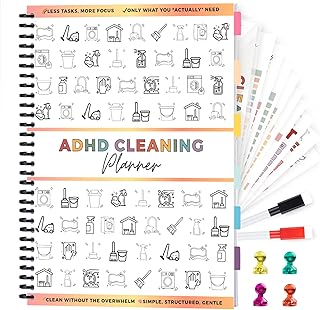
ADHD Cleaning Planner, Dry-Erase Sleeve + Paper Pages, Removable Ring Binder, Daily,Weekly,Monthly Plans, Cleaning Schedule and Checklist, ADHD Planner for Adults Women
Best For:
Households needing reusable, flexible chore tracking—great for families, rotating schedules, and anyone who values customization.
This version of an ADHD Cleaning Planner adds versatility with a dry-erase sleeve and a removable ring binder—features designed for households that need flexible, reusable planning. The concept is simple but effective: core paper pages for long-term records and a clear sleeve for daily or weekly rotating checklists you can wipe clean. The removable binder rings let you re-order sections, insert personal lists, or pull out a weekly focus sheet to carry around the house.
The biggest practical benefit is reusability. If you have rotating cleaning tasks or shared chores that change weekly, the dry-erase sleeve lets you reuse the same template without wasting paper. The ring binder format makes it easy to customize: add meal planners, kid chore charts, or important household contacts. For women balancing variable schedules or families who prefer to swap tasks, this hybrid design is a sensible middle ground between single-use notebooks and fully digital systems.
Real-life scenarios: Keep the binder on the counter and slide the current week into the dry-erase sleeve; everyone can mark completed tasks with a dry-erase marker and wipe it clean on Sunday. Use removable pages to archive monthly progress or to save notes when you’re decluttering a specific room. The planner works well alongside a shared digital calendar—use the paper planner for chores and the calendar for appointments and reminders.
Why it’s valuable: Unlike standard paper planners, this model acknowledges that cleaning plans frequently repeat and change. The dry-erase component reduces paper waste and makes short-term routines flexible, while the binder keeps long-term tracking neat. It also feels less permanent, which helps reduce pressure to “catch up” after a busy week.
Who should buy this: Ideal for women managing households with rotating tasks, families who want a reusable shared checklist, or anyone who likes modular organization. Who may not need it: People who prefer a single compact notebook or those who rely solely on apps.
Practical observations: Check the sleeve size and marker type—using low-odor dry-erase markers will keep the system pleasant in a kitchen environment. The binder adds bulk but pays off in customization.
Check the latest price on Amazon.
Pros
- Dry-erase sleeve enables reusable weekly checklists
- Removable ring binder for customization
- Combines long-term tracking with short-term flexibility
Cons
- Binder can be bulkier than a simple notebook
- Markers and sleeve require occasional cleaning
Check the latest price on Amazon.
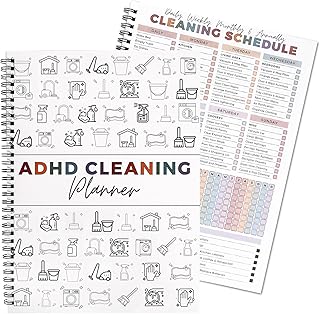
Adhd Cleaning Planner for Adults and Teens Adhd Cleaning and Organizing Planner Cleaning Schedule and Checklist Notebook List Daily Weekly Monthly for Home Chore Chart Adhd Daily Planner
Best For:
Families, parents introducing chores to teens, and adults seeking simple, approachable checklist formats to build consistent cleaning habits.
This ADHD Cleaning and Organizing Planner is tailored for both adults and teens, with simple language and checklist-driven pages that make it onboarding-friendly for older kids learning household responsibilities. The layout emphasizes short tasks and visual tracking, which helps maintain momentum and reduces the overwhelm that often accompanies larger chores.
Key benefits include clear chore charts, a mix of daily, weekly, and monthly sections, and space for notes or reward tracking—useful if you’re trying to gamify chores for teenagers. Because it’s designed to be approachable, the planner avoids lengthy blocks of text and instead focuses on quick wins: five-minute tidies, targeted room lists, and repeatable routines. That makes it more likely to be used consistently, especially by younger household members who need simple cues.
Real-life usage: A parent can give a teen a printed weekly checklist and have them check off completed items. Use the daily pages for routines like packing school bags, cleaning up after dinner, or doing a quick desk tidy. The monthly section is handy for tracking allowance-related chores or seasonal cleaning targets, like closet refreshes or garage tidying.
Why it’s valuable: Compared to generic planners, this product adopts age-friendly formatting and a focus on incremental progress. If you’re introducing chore responsibility to a teen or need a low-friction tool for neurodivergent family members, the clarity and structure help reduce arguments about “what’s done.”
Who should buy this: Parents with teens, households teaching chores, and adults who prefer straightforward checklists with clear prompts. Who may not need it: individuals who demand extensive hourly scheduling or those who use entirely digital task management with shared apps.
Practical observations: The tone and checklist style are effective for onboarding; consider pairing with small rewards or family check-ins to maintain engagement. The paper format is portable but less reusable than a sleeve option.
Check the latest price on Amazon.
Pros
- Teen-friendly language and checklists
- Mix of daily, weekly, and monthly tracking
- Encourages small, consistent wins
Cons
- Paper-only—not reusable without copying pages
- Less suited for complex scheduling needs
Check the latest price on Amazon.
Beautiful Daily Planner And Notebook With Hourly Schedule – Aesthetic Spiral To do List Notepad to Easily Organize Your Tasks And Appointments – Stylish Book And School Or Office Supplies For Women

Best For:
Women who need hourly time-blocking—professionals, students, and busy caregivers who juggle appointments and tasks throughout the day.
If your week is full of appointments, meetings, and back-to-back commitments, this Beautiful Daily Planner with an hourly schedule gives you the structure to plan by the hour. The aesthetic spiral binding and visually pleasing layout make it more likely you’ll bring it to meetings or keep it on your desk as a constant reference. It’s designed for women who balance professional calendars with personal tasks and appreciate an hourly breakdown.
Main benefits include hourly blocks for each day, to-do lists that sit alongside timed appointments, and an attractive design that encourages daily use. The spiral binding lays flat on a desk, which is helpful for quick entries during phone calls or while meal prepping. Compared with the cleaning-focused planners in this roundup, this planner leans into time-based productivity rather than chore checklists, making it a better fit if your primary need is managing appointments and task timing.
Real-life scenarios: Use the hourly pages to schedule deep work segments, client calls, and school pickups. Slot short cleaning bursts into 15–30 minute windows during natural breaks—this is a practical hybrid approach if you want the control of an hourly planner but still need to keep the house in order. The aesthetic design also makes it a popular choice as a gift for a friend starting a new job or returning to school.
Why it’s valuable: Time-blocking is a proven method for reducing multitasking and increasing focus. For women juggling professional responsibilities and household tasks, combining an hourly planner with a short daily cleaning checklist (either in the planner or a companion cleaning pad) creates balance without overcommitting.
Who should buy this: Professionals, students, and busy caregivers who need hour-by-hour control of their day. Who may not need it: households seeking a chore-first solution without time blocking.
Practical observations: If you want to combine chores with appointments, reserve brief, named cleaning tasks in midday or evening slots. The spiral binding improves usability but adds weight compared with slim notebooks.
Check the latest price on Amazon.
Pros
- Hourly schedule enables precise time blocking
- Attractive, flat-laying spiral design
- Combines appointments with to-do lists
Cons
- Less focused on chore-specific templates
- Spiral binding can add bulk
Check the latest price on Amazon.
PGJ ADHD Cleaning Planner for Adults – Undated Daily, Weekly & Monthly Cleaning Schedule & Checklist – Household Chores Organizer Notebook for Home Management, Routine Tracking Family Cleaning Tasks

Best For:
Adults and families seeking an undated, forgiving cleaning planner that supports routine tracking and household task delegation.
The PGJ ADHD Cleaning Planner focuses on undated daily, weekly, and monthly layouts that help adults create repeatable cleaning rhythms without the pressure of a filled-in calendar. The planner emphasizes routine tracking, quick checkboxes, and room-based lists that make delegation simpler when multiple people share chores. Undated pages mean you can pick up and pause use without wasted pages, which is especially helpful during busy seasons.
Key benefits include forgiving structure (undated spreads), clear household breakdowns to assign tasks, and habit trackers to visualize streaks of completion. The notebook design is practical for households that want a single physical place for cleaning records and routine notes. Compared to generic apps or blank notebooks, this planner reduces decision-making by offering templates and consistent prompts.
Real-life usage examples: Use it as a command center on a kitchen counter to assign weekly tasks to family members, track progress on monthly deep-clean projects, or note supplies that need restocking. Many buyers find the undated approach encourages start-stop use—perfect for those whose schedules vary week to week or who only need occasional bursts of focused cleaning.
Why it’s valuable: This planner helps normalize imperfect consistency. Instead of expecting daily perfect adherence, it supports incremental progress and reduces shame around missed days. For neurodivergent users, the predictable template lowers the cognitive load of deciding what to do next.
Who should buy this: Individuals and families that prefer an undated, forgiving planner to support household routines and occasional deep cleans. Who may not need it: people who prefer hourly planning or want erasable weekly templates.
Practical observations: Pair this planner with a simple storage spot for cleaning supplies and a small timer to turn checklists into timed sessions. If you want reusable pages, consider the dry-erase sleeve option in this roundup.
Check the latest price on Amazon.
Pros
- Undated layout reduces pressure and waste
- Room-based checklists simplify delegation
- Good for on-and-off use
Cons
- Not reusable without duplicating pages
- Less suited for strict, time-blocked schedules
Check the latest price on Amazon.
Final Verdict
Choosing the right planner comes down to how you prefer to manage time and tasks. If your days demand strict hour-by-hour focus, the Beautiful Daily Planner with an hourly schedule is the best fit. If you want a chore-first tool that reduces decision-making, the ADHD Cleaning Planner and the PGJ ADHD Cleaning Planner deliver clear room-by-room checklists and undated flexibility. For families or rotating schedules, the dry-erase sleeve plus removable ring binder model offers reusable short-term planning alongside long-term tracking. If you’re introducing chores to teens or prefer very simple, approachable templates, the ADHD planner designed for adults and teens is a helpful classroom-to-home bridge.
Practical buying takeaway: pair a paper planner with a small kitchen timer or your phone’s alarms to combine tactile habit-building with timed reminders. Look for undated options if your life is irregular and reusable sleeves if you expect repeated weekly rotation. Finally, choose a size and design you’ll actually carry or keep in a visible place—usability beats complexity every time.
Now that you’ve seen how these planners differ, pick the one that aligns with your day and start small: set a two-week habit target and celebrate small wins as you go. Check the latest price on Amazon.
Conclusion
These Products helping women simplify everyday schedules picks are trending now and offer great value and variety. Check the links above for latest prices and reviews.
As an Amazon Associate, I earn from qualifying purchases.
Tags:
ADHD planner, cleaning planner, daily planner for women, home organization, chore chart, hourly planner, undated planner
